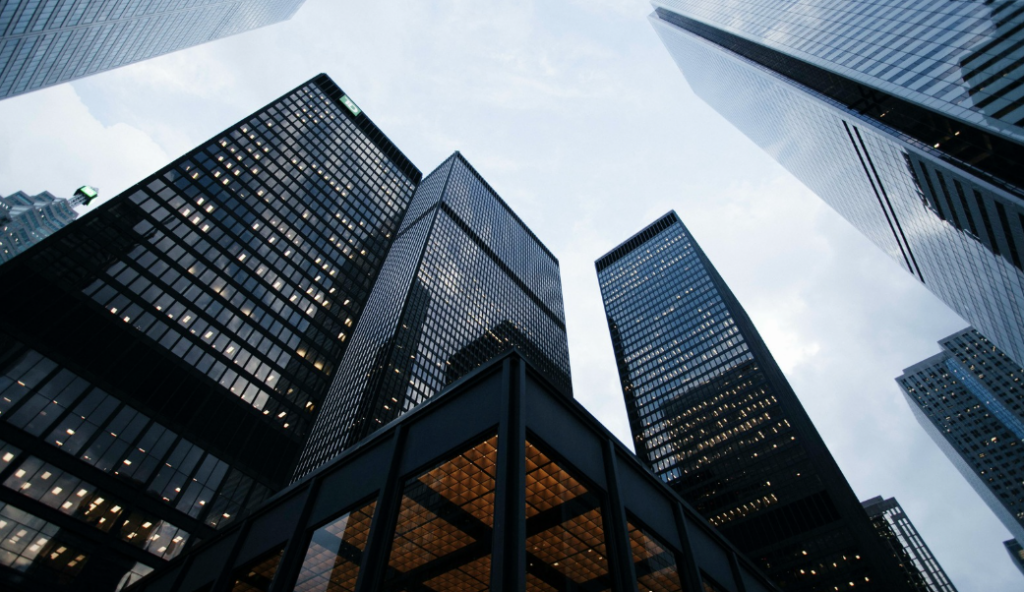

A half-floor unit on the 94th floor of 432 Park Avenue sold this month for $22 million. It was asking $33 million two years ago. The seller’s trust took a $9.5 million loss against what they paid in 2019. The listing broker called the number “the new market reality.”
Same building, same month: rents hit an all-time high. That exact unit had a signed lease at $85,000 a month before a buyer materialized. Another unit went for over $90,000. A third for $85,000.
And all of this is happening inside a tower that filed a work permit on August 4 to begin a $160 million repair, after an engineering report warned that cracking concrete could send debris off the facade. There are two lawsuits running against the developers over more than 1,500 alleged construction defects. The sponsor denies it and wants the case tossed.
So the asset is worth less every quarter and the experience of living in it costs more every quarter. Read that again, because it’s the most useful thing that happened in real estate this week.
WHAT’S ACTUALLY HAPPENING
Two prices are moving in opposite directions on the same address, and they’re measuring two different things.
The sale price is underwriting the building. Structure, litigation exposure, a $160 million capital call nobody’s agreed to pay yet, the possibility that a court makes the developer eat it or doesn’t. That’s a math problem, and the math says $22 million.
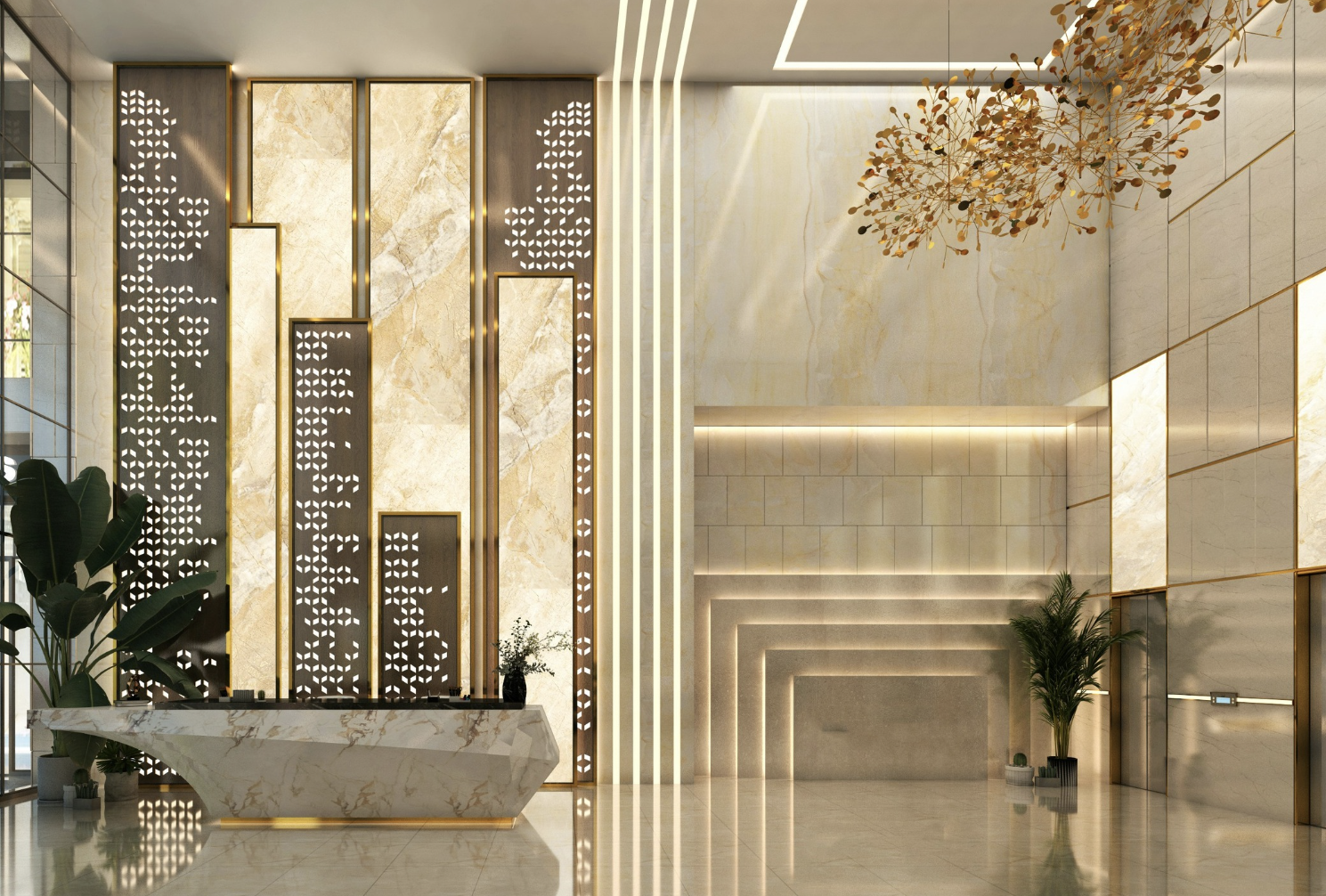
The rent is underwriting a year of somebody’s life. And when people explain why they’re paying $90,000 a month, they don’t talk about the facade. They talk about the private restaurant run by a Michelin-starred chef. They talk about who else lives there. Two of the three buyers this year already owned units in the building. They knew about the cracks. They bought more.
Nobody’s paying $90,000 a month for concrete.
WHY IT MATTERS
Here’s the part that should make office landlords uncomfortable. The experience premium survived a structural crisis. It survived press coverage about falling debris. That premium is more durable than the asset it sits on top of, and almost nobody underwrites it.
Our own data says the same thing in a quieter way. From March to July, service request volume across our portfolio grew roughly two and a half times, and average time to resolution fell by more than a third over the same stretch. Buildings got busier and faster at once. That’s not a facilities stat. That’s the entire relationship: something breaks, somebody fixes it fast, and the tenant learns what kind of operator they’re dealing with. 432 Park’s residents are living the control experiment. Something broke, nobody fixed it for years, and the sale price is the receipt.
Meanwhile tenants keep telling us what they actually want. Recreation and game room bookings across our portfolio fell by more than half from March to July. Quiet space bookings rose about a third. Nobody wanted the ping pong table. They wanted somewhere to think.
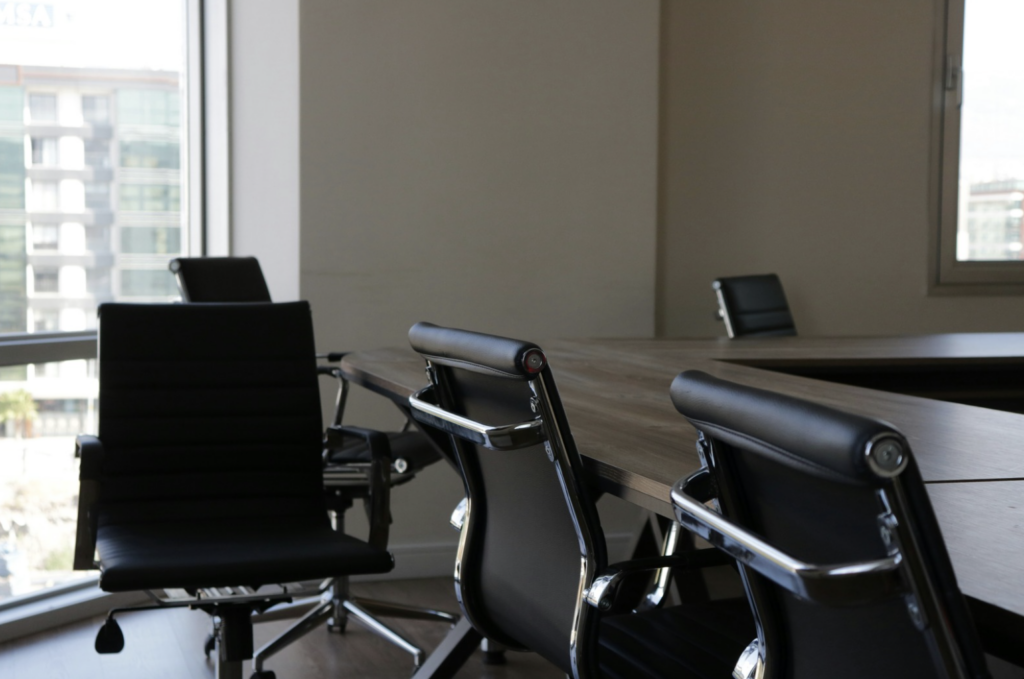
Leesman has been saying this for a decade with the least glamorous number in workplace research. 83% of employees say their chair is critical to their work. Only 69% are satisfied with it. Even in Leesman+ certified workplaces, the best measured buildings in the world, it’s 77%. A quarter of people in the best offices on earth don’t like the chair they sit in for eight hours.
That’s 432 Park in one stat. Michelin chef upstairs, concrete coming off the outside.
WHAT TO DO
Price your experience separately from your asset. If your building’s value and your tenants’ willingness to pay ever diverge, the gap is your operating model, and right now most owners can’t even see it. Sale comps are easy. Renewal behavior is the real signal.
Then check your basics before you buy the spectacle. Response time on service requests. Elevator reliability. Temperature. The chair. These are the things people quietly hold against you, and no amenity budget outruns them. The tower with the Michelin restaurant just proved the ceiling and the floor at the same time.
And watch what gets booked, not what gets photographed. Our game rooms are down by half. Quiet rooms are up. Somebody paid for both.
The sale price prices the asset. The rent prices the experience.
Only one of those is holding up.