
The Million-Dollar Rooftop: Your Building’s Most Underpriced Asset Is Its Empty Hours.
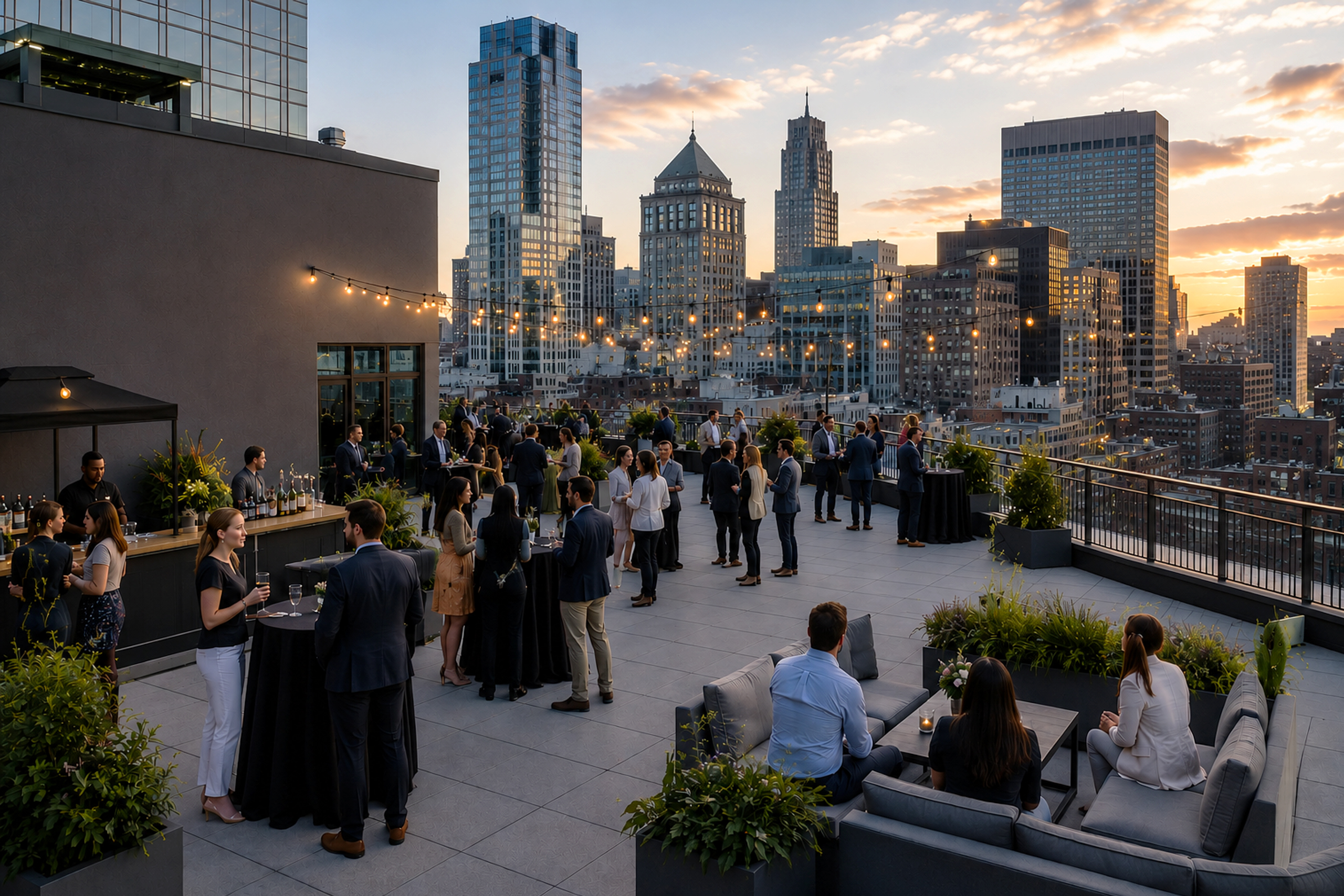

Some landlords are making a million dollars a year on space they never leased.
That's from Propmodo this Sunday. Franco Faraudo profiled Resident, a chef-powered dining platform that's spent ten years turning underused real estate into one-night-only restaurants. Michelin-trained chefs, menus that exist for a single evening, served in penthouse amenity floors and rooftops with no kitchen identity and, until recently, no revenue. Resident has produced more than 4,000 of these events, and founder Brian Momsen put a number on the model: "We have spaces where the landlord is making around a million dollars a year on these events."
No restaurant buildout. No hospitality payroll. No lease. Just hours that used to be worth nothing.
What's Actually Happening
Every pro forma measures vacancy in square feet. Almost nobody measures it in hours. The lobby that earns its keep from 8 to 10 every morning and sits dead the other 22. The amenity floor that goes quiet at 6. The roof deck with a skyline view nobody is paying to look at. That's vacancy too. It just never shows up in the occupancy ledger.
The dinner-party landlords found the arbitrage, and the guest list is the real product. These events pull in corporate decision-makers and tastemakers who form an opinion about your building over a tasting menu, long before a broker calls them. Momsen says it plainly: "We are happy when the buildings we are using get sold or leased. It means the owner got what they wanted."
Our portfolio data says the demand is already in the building. Outdoor space bookings grew more than tenfold from February to June. Roof deck bookings more than tripled over the same stretch. (Yes, it's summer. The sun is doing some of the work.) Conference room bookings, the thing office buildings were allegedly built for, didn't move. Flat since February. And the building day is stretching: after-hours entries nearly doubled between mid-May and mid-July. Tenants aren't just showing up more. They're showing up at hours the 2019 operating model never planned for.
Leesman's research says this isn't a summer fling. Across more than a million workplace responses, half of employees now rate relaxing and taking a break as an important workplace activity, up from pre-pandemic levels. Nearly as many say informal social interaction matters, and that number keeps climbing the more people work from home. The parts of the building that aren't desks are the parts people show up for.
Why It Matters
The rooftop dinner is doing three jobs at once, and most landlords are paying for none of them.
It's revenue on dead inventory. It's a leasing funnel, because a prospect who's had dinner on your roof has already toured your building, with better lighting and better wine than any broker walkthrough. And it's retention. Multifamily operators on the platform sell first access to these events as an amenity in itself. "It is an amenity just to be able to get access to exclusive events," Momsen says. Access to something scarce competes with the amenity arms race on completely different terrain, and it costs a lot less than a new gym.
This is the Experiential Landlord playbook in miniature. The building stops being a container you rent and starts being a platform that produces things people want. Experience isn't the cost center in that model. It's the product.
What to Do
Audit your buildings in hours, not floors. Walk the asset at 7pm on a Tuesday and write down every space generating nothing. That list is inventory, not overhead.
Then program against it and measure what happens. Our access and booking data moves within weeks when buildings turn on evening and outdoor programming. If you can't see bookings, entries, and after-hours usage by building, you're deciding blind, and someone else's leasing team is hosting dinner.
Vacancy isn't just empty floors. It's empty hours. The floors take years to fill. The hours you can fill by Thursday.