
Why Natural Light Beats Every Other Amenity (And How to Maximize It Without Rebuilding)
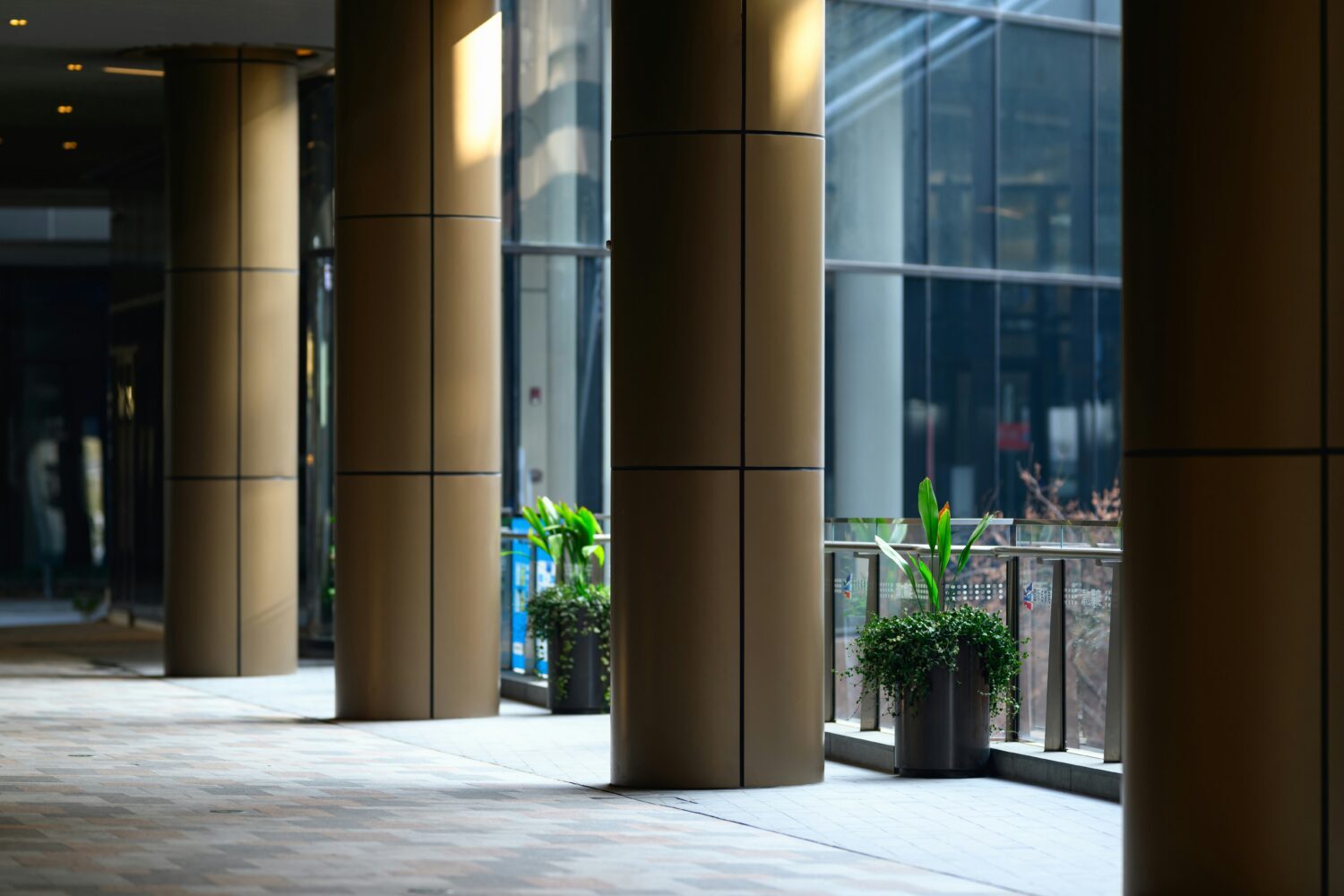

The amenity arms race is expensive. Climbing walls. Meditation pods. Coffee bars with imported beans.
But the highest-ROI workplace investment costs nothing to operate and already exists in most buildings: natural light.
Research tells you what tenants already know. Workers exposed to natural light report 51% less eyestrain and headaches, according to the American Society of Interior Designers. Cornell University found that optimized daylight increases productivity by 2%, which translates to $100,000 in annual value per 100 employees earning $50,000.
Natural light isn't an amenity. It's the infrastructure that makes humans work better.
Why Natural Light Wins
Three things happen when workplaces maximize daylight:
Circadian rhythm regulation. Natural light helps employees sleep better at night, which means better cognitive performance during the day. The connection is direct: better rest equals better work.
Visual comfort without fatigue. Artificial lighting—especially fluorescent—can cause eye strain due to flicker and harsh glare. Daylight provides bright, diffused illumination that reduces headaches and maintains focus over long hours.
Mood and satisfaction. Sunlight boosts serotonin production, improving mood and reducing stress. Employees working near windows report higher job satisfaction and are less likely to leave.
The economic case is clear. But most landlords miss the operational opportunity.

How to Maximize Natural Light Without Rebuilding
You don't need floor-to-ceiling glass to capture the value of natural light. You need systematic thinking about how daylight moves through your building.
Position workstations strategically. Move desks closer to windows. Use glass partitions instead of solid walls to allow light penetration into interior spaces. If you're designing floors for new tenants, prioritize daylight access in lease negotiations—it's a retention driver.
Control glare without blocking light. Use adjustable blinds, shades, or light shelves that redirect daylight deeper into spaces without creating hot spots or screen glare. Diffused light is the goal, not direct sun.
Supplement with daylight-spectrum artificial lighting. When natural light isn't available, use LED lighting with color temperatures (5000K-6500K) that mimic daylight. Avoid harsh fluorescents that create flicker and eye strain.
Give tenants control. Employees with adjustable task lighting report higher satisfaction and perceived productivity. Personalization matters—not everyone needs the same brightness.
Integrate biophilic design. Pair natural light with views of greenery or outdoor landscaping. The combination creates measurable wellness benefits, with research showing economic gains of up to $1,000 per employee annually.
The Experience Infrastructure Play
Natural light demonstrates a core REX principle: the best amenities aren't add-ons. They are environmental factors that make work feel better and perform better.
Landlords chasing experience often overcomplicate it. They install expensive programming and services while ignoring the fundamentals—daylight, fresh air, thermal comfort—that drive tenant satisfaction more than any coffee bar ever will.
This is where data becomes strategy. Measure which spaces have natural light access. Track which floors have higher satisfaction and retention. Use that intelligence to inform capital planning and tenant improvements.
At HqO, we see portfolio leaders competing on outcomes, not inputs. They optimize for what actually improves tenant experience, not what looks good in marketing materials.
Want to Know Where Your Portfolio Stands?
Take the Experience Assessment
Benchmark your buildings across tenant engagement, service delivery, space optimization, and environmental quality.
It takes 10 minutes to change how you prioritize capital.