
Beyond the Rooftop Terrace: The Amenities That Actually Help Tenant Retention
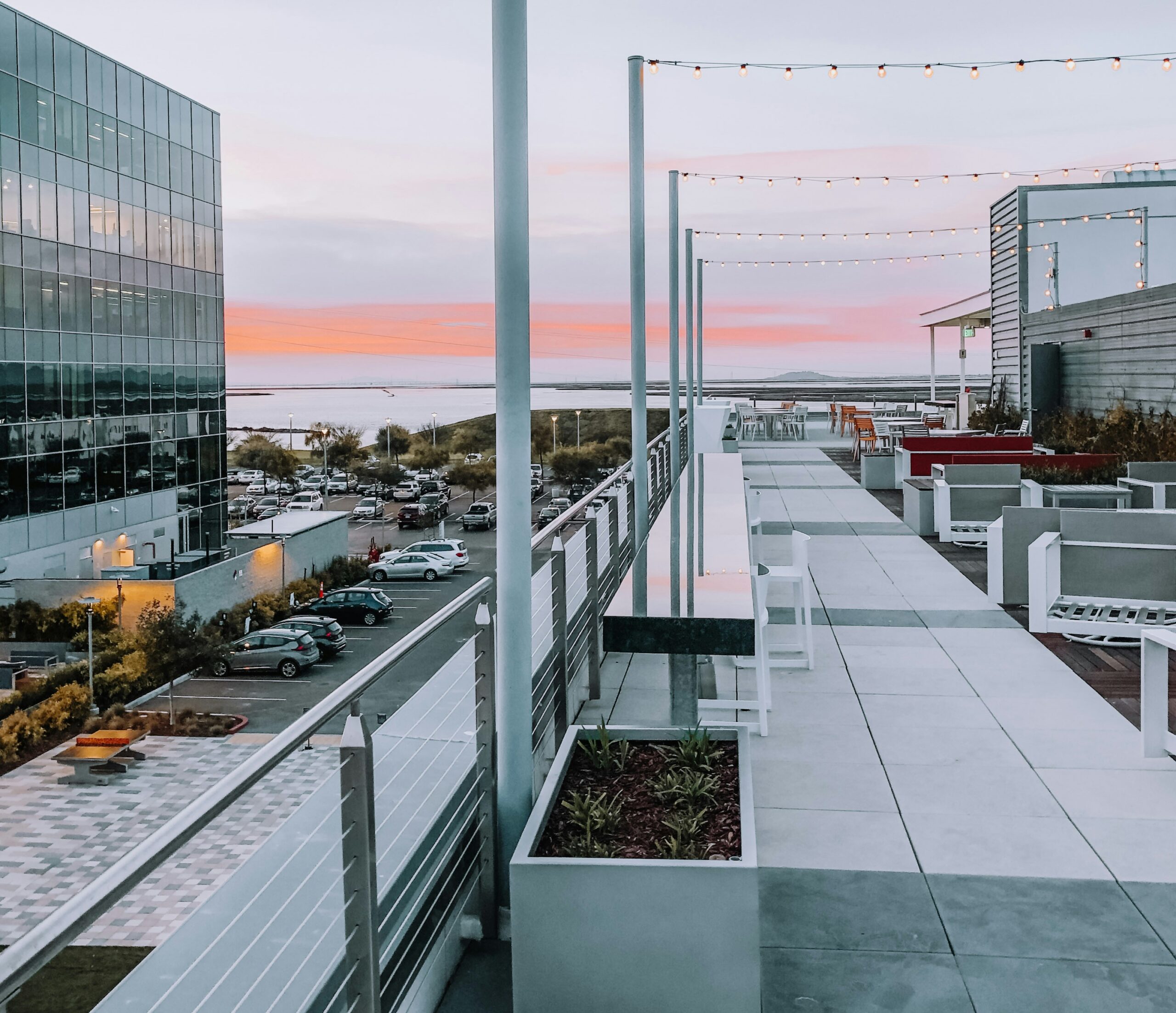

Every landlord has a rooftop terrace now. A lot of them have cold brew on tap, a Peloton room, and a dog-friendly policy. And yet retention rates vary wildly between buildings that look nearly identical on paper.
The amenity arms race has produced a lot of impressive marketing collateral. It hasn't produced a clear answer to the question that actually matters: which amenities drive tenants to renew, and which ones are expensive noise?
The data has an answer. Most landlords aren't listening to it.
The Utilization Gap
Before asking which amenities matter, ask which ones get used. The gap between what landlords build and what tenants actually engage with is wider than most property teams want to admit.
Leesman's global workplace research, which covers hundreds of thousands of employee responses across thousands of workplaces, consistently identifies a core set of experience drivers that predict workplace satisfaction: informal collaboration spaces, access to focused quiet work, quality food and beverage, and wellness infrastructure. These aren't glamorous. They're functional. And they're chronically underprovided relative to the splashier amenities that photograph well in marketing decks.
The rooftop terrace gets the Instagram post. The comfortable, acoustically managed lounge on the third floor gets used every day.
What Actually Moves Renewal Rates
Wellness infrastructure that works. Fitness centers with serious equipment, showers that are actually clean, and spaces that support movement throughout the day correlate with higher tenant satisfaction and longer tenure. But the key word is "works." A fitness room with two broken treadmills and no natural light is worse than no fitness room at all. It signals that the landlord doesn't follow through.
F&B that earns repeat visits. Food and beverage is one of the most utilized amenities in virtually every market. But quality and convenience matter more than concept. Tenants don't need a Michelin-starred pop-up. They need something good, fast, and reliable within the building or immediately adjacent to it. F&B that tenants actually use every day becomes a reason to be in the building. F&B that's mediocre becomes a grievance.
Collaboration infrastructure at multiple scales. The open collaboration lounge serves one need. The four-person meeting room serves another. The phone booth serves a third. Buildings that invest in a spectrum of collaboration environments, rather than one large showpiece space, see meaningfully higher amenity utilization because they're solving real problems instead of performing innovation.
Outdoor environments with programming. Outdoor space is not an amenity. Programmed outdoor space is. A terrace with seating, reliable Wi-Fi, shade structures, and a regular schedule of events becomes a genuine engagement driver. The same terrace with wind, no power, and zero programming is a missed opportunity that costs the building $400 per square foot to maintain.
The Amenities That Are Mostly Noise
Branded app experiences that aren't connected to real building services are another common investment that consistently underperforms. An app that lets tenants submit a maintenance request but doesn't integrate with food ordering, room booking, or visitor management isn't an amenity. It's a help desk.
Gyms without programming, lounges without activation, and wellness rooms without an operational plan all share the same failure mode: they require tenants to bring their own engagement. The buildings that win retention are the ones that bring it for them.
The Shift from Amenities to Experience Systems
The highest-retention buildings in every major market have figured out something the rest of the industry is still learning. Amenities don't retain tenants. Experience systems do.
The difference is integration. A gym is an amenity. A gym that's part of a wellness program, tied to tenant credits, promoted through the building's engagement platform, and measured for utilization is an experience system. One gets used. The other gets photographed and forgotten.
HqO's REX Platform is built on this principle. The amenities that close the Experience Gap aren't necessarily the most expensive ones. They're the ones connected to the operational and data infrastructure that makes engagement measurable, programmable, and sustainable over the life of a lease.
Download the Tenant Health Playbook to start driving measurable retention in your market.