
How Buildings Become Experience Hubs in 2026
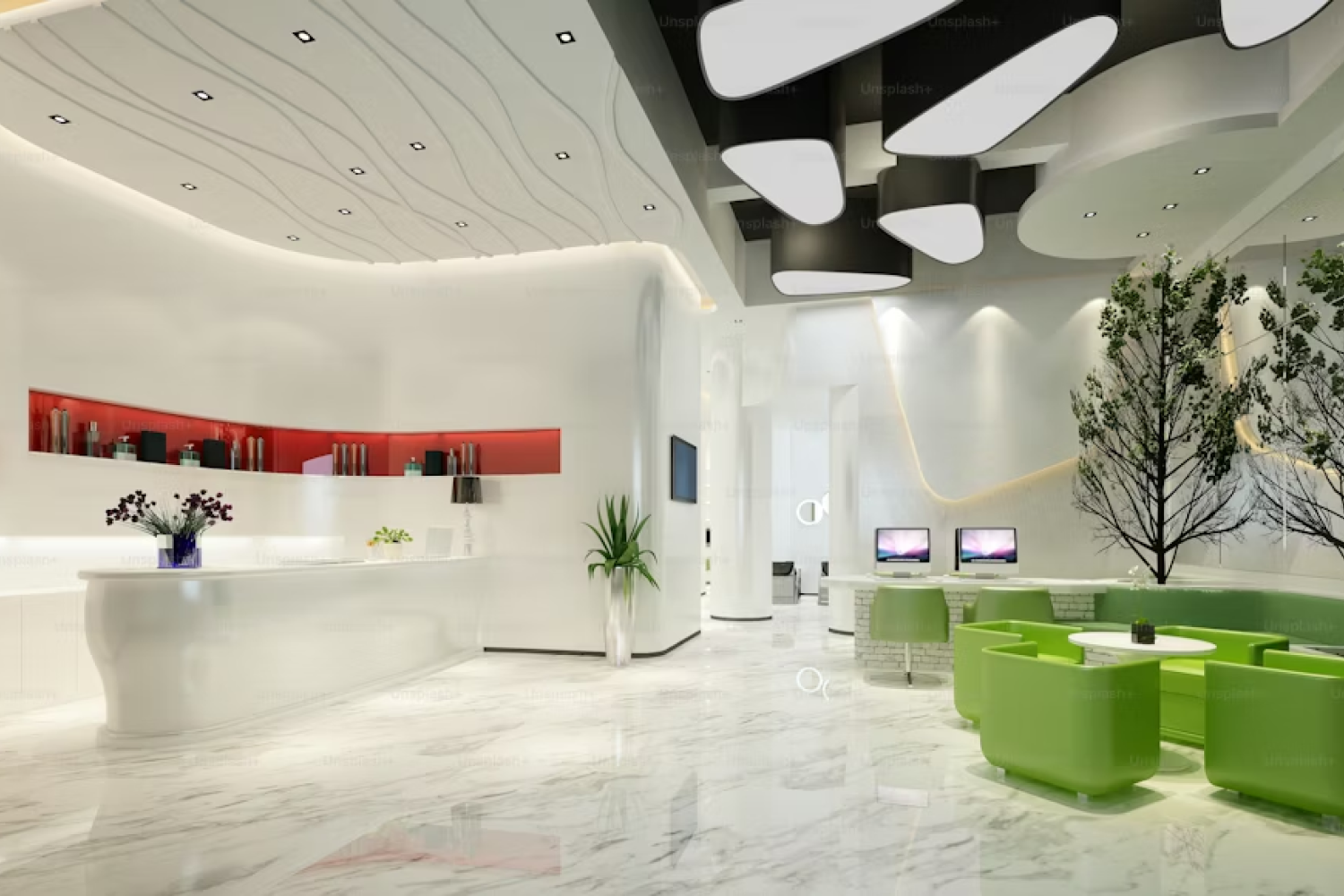

Buildings Are No Longer the Product
For most of commercial real estate's history, the building was the product. The asset. The thing you delivered, leased, and managed.
That equation is over.
In 2026, the building is the platform. What you deliver on top of it, the services, data, programming, and intelligence, is where the competitive advantage lives. The landlords who understand this are commanding premium economics. The ones who don't are discounting into a demand environment that rewards differentiation and punishes sameness.
The question isn't whether your building is a nice place to work. The question is whether it functions as an experience hub: a connected ecosystem that anticipates what tenants need, responds to how they behave, and compounds in value as the relationship deepens.
What An Experience Hub Actually Looks Like
An experience hub isn't an amenity floor. It's an operating model.
It starts with knowing your tenant. Not in the abstract ("tech companies in the 5,000–15,000 SF range") but specifically: what their teams need to be productive, what friction points are driving attrition, where the gap exists between what they're paying for and what they're actually experiencing.
It continues with connected systems. Access, operations, and engagement data flowing into a single platform that gives property teams real-time visibility into tenant health. When a work order sits open for 72 hours, the system surfaces it before the tenant escalates. When engagement scores drop in Q3, you have the data to act before renewal conversations begin.
And it culminates in measurable outcomes. Not activity metrics, not survey scores filed and forgotten. Tenant Lifetime Value. Renewal rate. Expansion revenue. The financial case for experience-led management, quantified.
The 2026 Opportunity
The market has handed experience-focused operators an unusual advantage. Flight to quality has separated the CRE universe into assets that attract premium tenants and assets that compete on price. The gap between them is widening.
But here's what most portfolios are still missing: the difference between a trophy asset and an average one isn't primarily architectural. It's operational. It's the systematic delivery of experience at every touchpoint across the tenant journey, from first tour to lease renewal.
That's what becoming an experience hub in 2026 actually requires. Not a renovation. Not a new amenity program. A fundamental shift in how you think about what you're delivering and how you measure whether it's working.
The buildings that win this decade won't just be beautiful. They'll be intelligent. They'll know their tenants better than their tenants know themselves and they'll use that intelligence to close the Experience Gap before anyone has to ask.
Where Does Your Building Stand?
Request HqO's Experience Assessment to benchmark your portfolio against the experience leaders in your market.