
The Lease Is Over – The Membership Has Begun
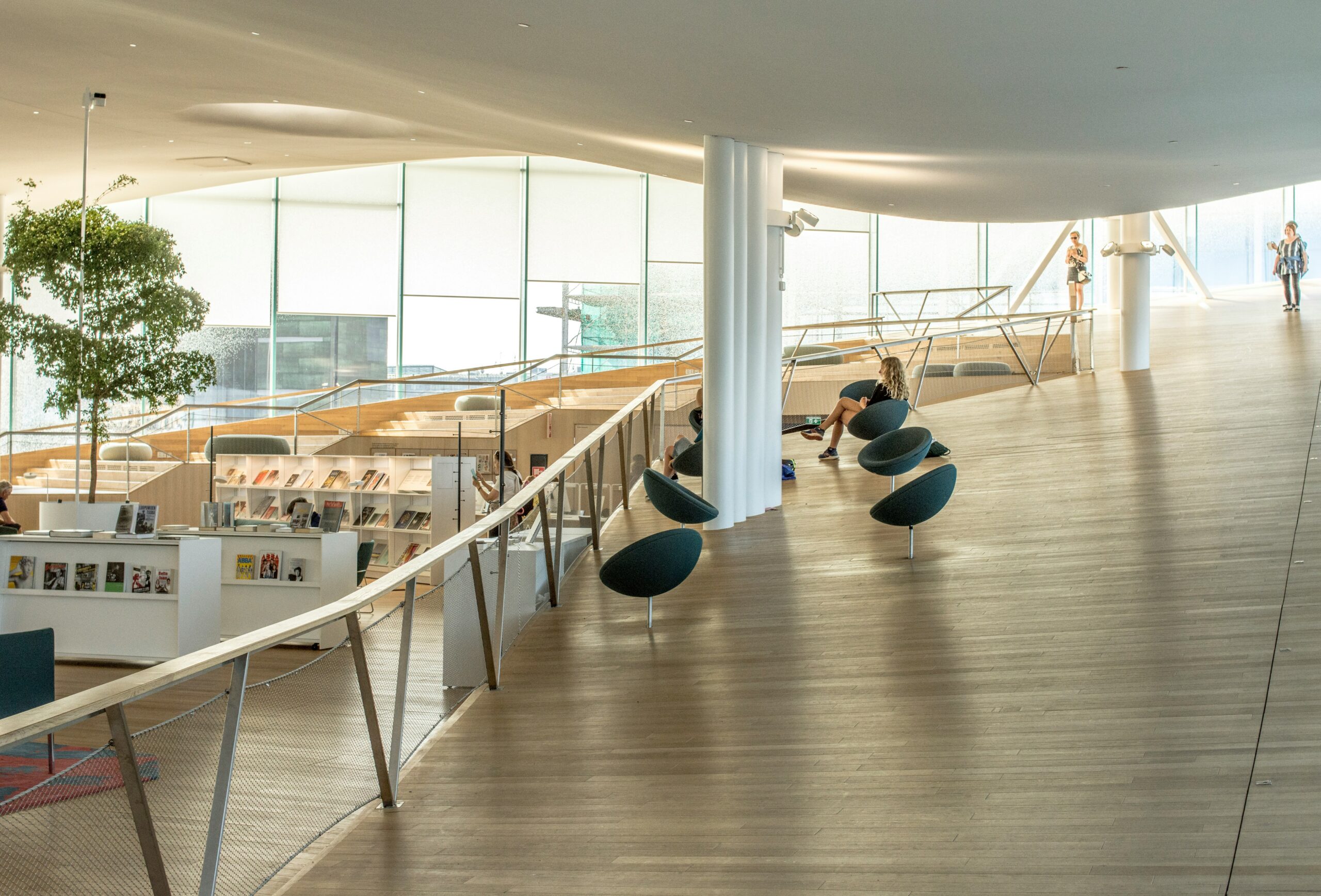

CRE's transactional landlord-tenant model is giving way to something fundamentally different: the membership.
The office lease was a product of a specific era. An era when tenants had no real choice, when space was scarce, when a 15-year contract was a reasonable expectation, and when landlord and tenant could go years without meaningful interaction and call it a successful relationship.
That era is over.
Average lease terms have compressed from 15 years to 7. Hybrid work has made office attendance a daily decision rather than a contractual obligation. Flex providers have built global networks with frictionless onboarding, multi-location access, and flexible product structures that make traditional leasing feel like a relic. And the best tenants, the ones every landlord wants to keep, have more options than ever.
The landlords responding to this shift with better amenities and shinier lobbies are missing the point. The landlords who are winning have figured out something more fundamental: the model itself has to change.
From Transaction to Relationship
The traditional landlord-tenant relationship is transactional by design. Sign a lease. Collect rent. Manage the space. Respond to complaints. Repeat. The relationship is defined by the contract, not by any genuine investment in the tenant's success.
The membership model inverts that logic. The lease is still there, but it is no longer the organizing principle of the relationship. The membership is.
A membership is both functional and emotional. Functionally, it gives tenants access to credits, services, programming, and network benefits that compound over time. They can apply credits toward conference room bookings, amenity access, parking, or curated events. The friction of one-off transactions disappears. The value of being in the building accumulates.
Emotionally, membership creates belonging. Tenants do not just occupy a floor. They are part of something. They feel connected to the building, the landlord, and the broader community of people who share the space. That feeling is not soft. It is the leading indicator of renewal, expansion, and referral.
The Compounding Logic of Relationship
Here is what the transactional model systematically destroys: value over time.
When a tenant signs a lease and has no persistent relationship with their landlord, that relationship does not grow. It decays. Each year without meaningful engagement is a year of relationship depreciation. By the time the lease is up for renewal, the tenant has no emotional attachment to the building and no rational incentive to pay a premium for it. They shop the market. You negotiate against the best competing offer you can find. Everyone loses margin.
The membership model runs the opposite dynamic. Consistent, relevant, tailored engagement builds relationship capital that compounds. A tenant who receives regular value from their building, who feels seen, supported, and connected, is a tenant who renews without a broker war, expands within your portfolio when they grow, and sends other companies your way.
This is what Tenant Lifetime Value looks like in practice. Not the economics of one lease at one building, but the total relationship value across multiple renewals, multiple assets, and a compounding investment in mutual success.
The Infrastructure That Makes It Real
Membership does not happen by accident. It is an operating model.
The landlords making this shift are building three things at once. First, persistent engagement infrastructure: digital platforms that keep tenants connected to the building and to each other between touchpoints, not just at lease signing or renewal. Second, a credit system that translates landlord investment into tenant-facing value, allowing tenants to direct benefits toward the services they actually use. Third, a measurement framework that tracks Tenant Health in real time, catching disengagement signals before they become vacancy risk.
None of this requires reinventing your portfolio overnight. The shift from lease-centric to relationship-centric happens in stages. But it does require a commitment: to owning the tenant relationship across its full lifecycle, not just managing the contract.
The landlords who make that commitment first are building portfolios that flex providers cannot replicate and that commodity buildings cannot compete with. They are not just filling space. They are creating enduring platform value.
The lease is a starting point. The membership is the strategy.
Ready to build yours? Request a demo of the REX Platform.