
The REX Effect: How Alexandria Real Estate Built NYC’s Premier Life Sciences Campus
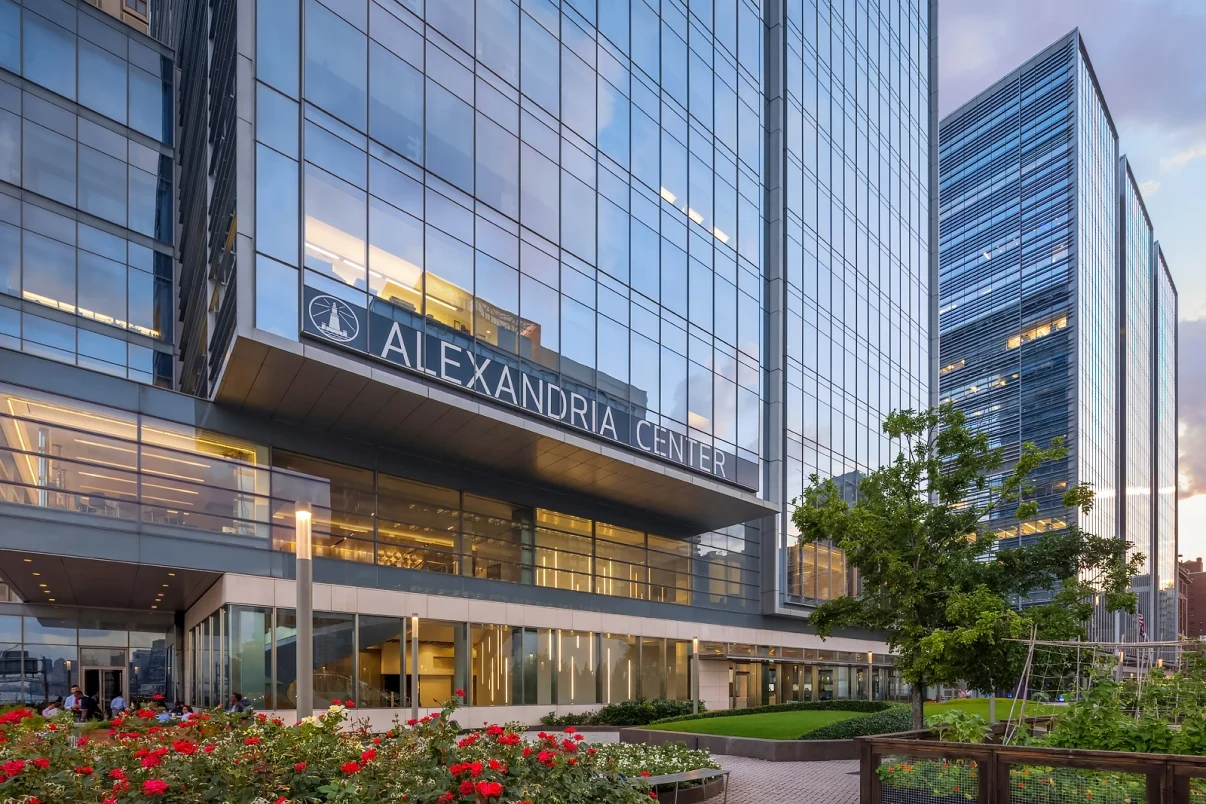

How Alexandria Real Estate proved that life sciences tenants need more than labs—they need community that accelerates innovation
Vision
When Alexandria Real Estate Equities won the NYC Economic Development Corporation's 2004 RFP for the East River Science Park, they weren't just proposing to build lab space. They were pitching a thesis: New York City's life sciences ecosystem would only reach critical mass if someone built infrastructure for collaboration, not just containment.
The market was skeptical. Life sciences real estate in 2004 meant Cambridge and South San Francisco. NYC had research hospitals and universities, but no commercial lab campus to anchor biotech and pharma tenants. Alexandria saw what others missed: proximity to NYU Langone, Memorial Sloan Kettering, and Rockefeller University created talent density that Boston couldn't match. The question wasn't whether NYC could support life sciences. It was whether anyone would build the platform that turned potential into an ecosystem.
Alexandria's answer: a purpose-built, 728,000 SF campus on a 3.5-acre East River site designed not just for BSL-3 labs and advanced HVAC, but for the collision points where breakthroughs happen. The $1.5B+ investment proved experience infrastructure matters as much in life sciences as it does in traditional office.
Market & Ideal Tenants
NYC's life sciences market in 2025 looks radically different from what it did when Alexandria broke ground. The city has committed $1.1B to life sciences infrastructure. Multiple landlords are repositioning office assets for lab use. But Alexandria maintains a first-mover advantage because it understood the tenant profile before the market did.
Life sciences tenants occupy a unique position in commercial real estate. They need specialized infrastructure—column-free floorplates for flexible lab layouts, 14-foot slab heights for complex mechanical systems, redundant power and HVAC for 24/7 operations, and advanced security and access control. But technical specs alone don't win leases.
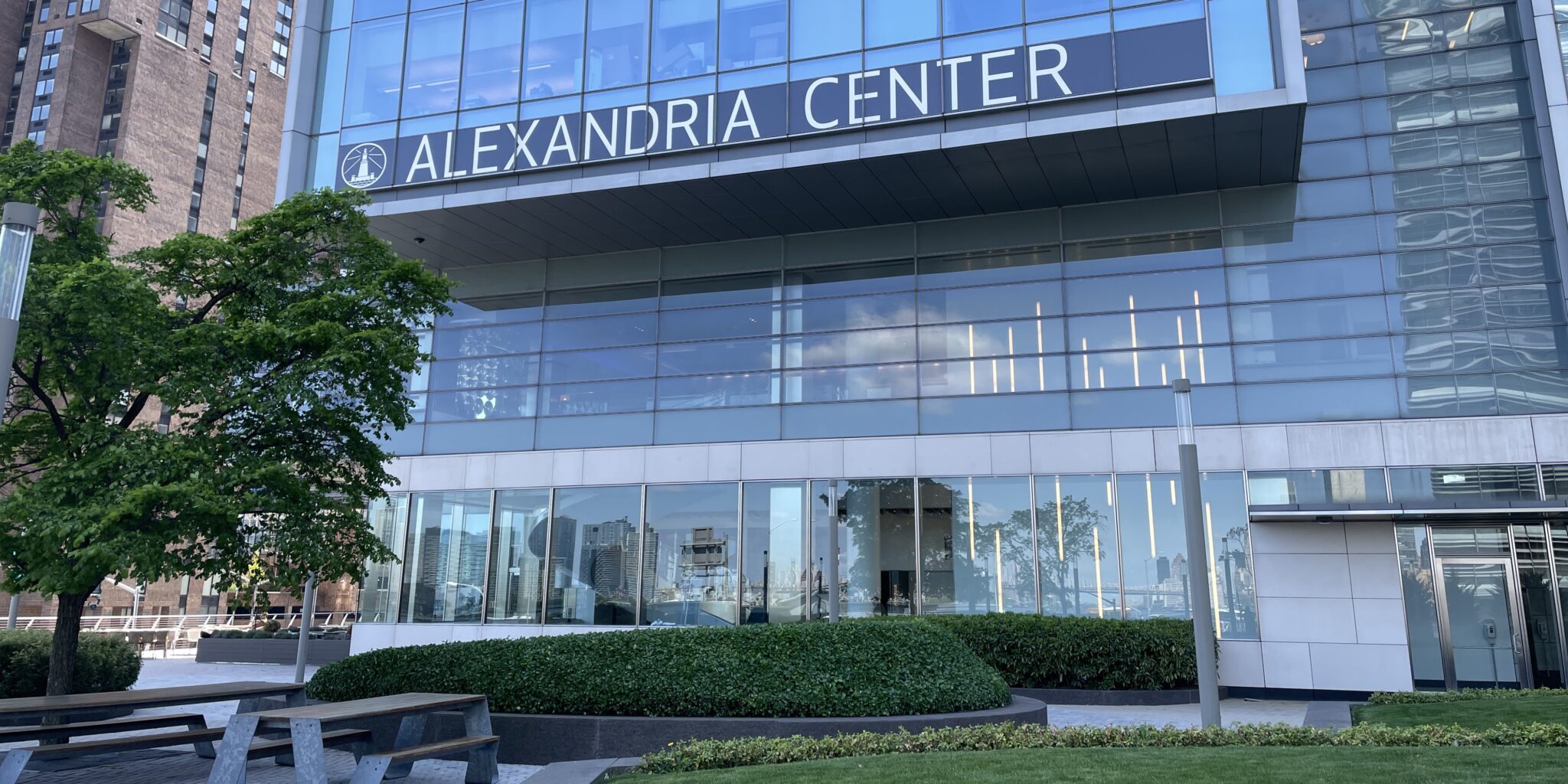
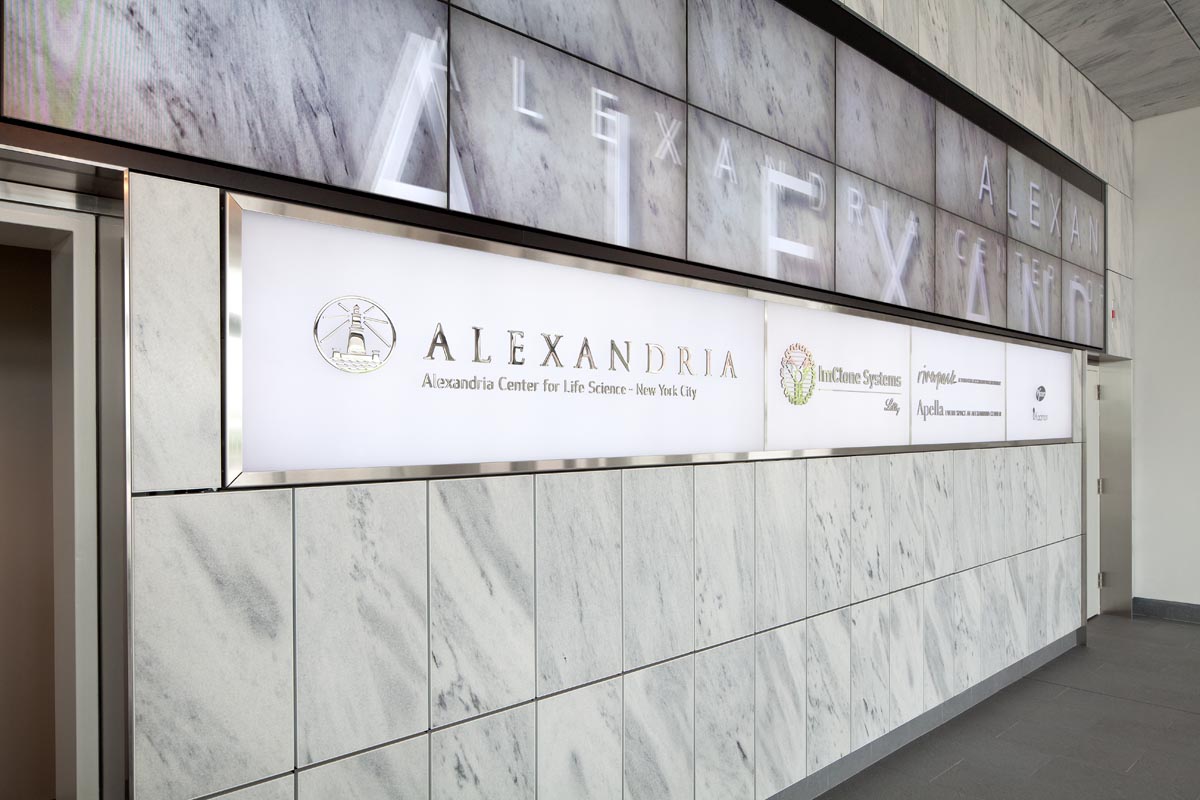
Who thrives at Alexandria: Bristol-Myers Squibb anchored the campus with their NYC headquarters. Pfizer's Centers for Therapeutic Innovation, Eli Lilly, and Roche followed. Emerging biotech companies like Intra-Cellular Therapies, Kallyope, MeiraGTx, Cellectis, and BlueRock Therapeutics round out a tenant roster that reads like a who's who of life sciences innovation.
These tenants share common needs beyond lab infrastructure: access to talent pipelines from NYC's research institutions, proximity to capital and commercial partners, shared equipment that reduces overhead, and programming that accelerates research through interdisciplinary collaboration.
Closing the Experience Gap
Here's how Alexandria transformed the East River site following a REX-aligned methodology:
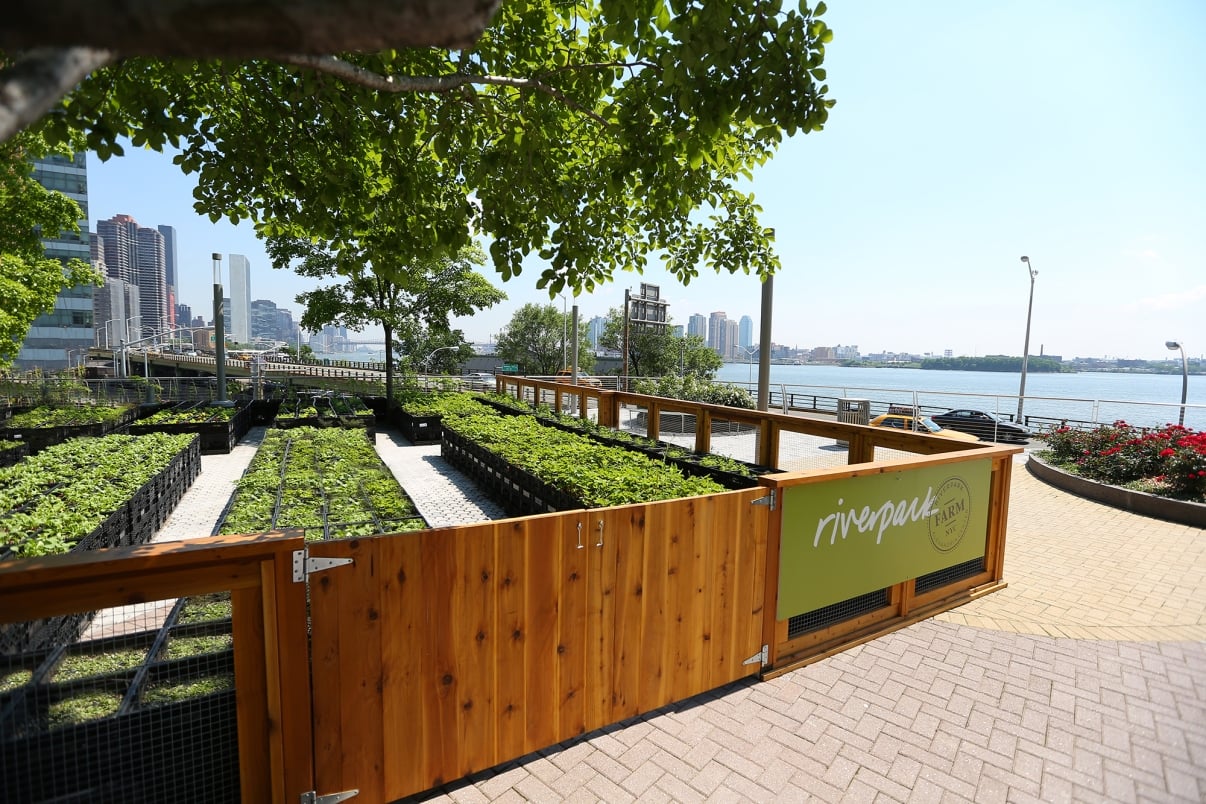
| Spaces & Products | Lab-ready floors with standard common areas; minimal outdoor space; isolated from surrounding neighborhood | 728,000 SF across two LEED Gold towers with column-free floorplates; 43,000 SF public esplanade and East River access; winter garden connecting campus to community; outdoor terraces for research team collaboration; conference centers sized for symposia and industry events |
| Services | Property management focused on building systems; reactive maintenance; tenant-specific build-outs | Alexandria LaunchLabs incubator (launched 2017) providing turnkey lab space, shared equipment access, and capital connectivity for early-stage biotech; curated F&B including restaurant and café; fitness center and wellness programming; conference facilities operating as shared services infrastructure |
| Systems & Tech | Specialized HVAC and security for lab operations; standard property management systems | Advanced building management systems optimized for 24/7 lab operations; robust cybersecurity and access control for proprietary research; campus-wide connectivity supporting data-intensive research; sustainability systems earning LEED Gold certifications for both towers |
The Experience Payoff
The numbers validate Alexandria's thesis that life sciences tenants pay premium rents for integrated experience infrastructure:
- Investment: $1.5B+ total development across East Tower (2010), West Tower (2014), and planned North Tower (550,000 sqf., 21 stories)
- Campus scale: 728,000 sqf. operational, expanding to 1.3M sqf. upon North Tower completion
- Tenant roster: Bristol-Myers Squibb NYC HQ, Pfizer Centers for Therapeutic Innovation, Eli Lilly, Roche, NYU Langone, plus 15+ biotech companies
- Certifications: LEED Gold for both East and West Towers
- Market impact: NYC's first commercial life sciences campus, catalyzing the city's $1.1B commitment to life sciences infrastructure
- LaunchLabs ecosystem: Early-stage biotech incubator connecting startups to capital, equipment, and commercial partners
The campus demonstrates that experience infrastructure in life sciences isn't about ping pong tables. It's about programming spaces and services that make research teams more productive and connected.
Voices of the Experience
"You have to do the analysis we did in New York. We started in 2000, which was nine years before we delivered the first building. So it took that long for the first space, which was a AAA campus. But I think you look at, is there a location that can be world-class that can facilitate collaboration, cooperation, innovation, technology transfer."
– Joel Marcus, Executive Chairman and Founder, Alexandria Real Estate Equities
Experience Lessons Learned
Collaboration is infrastructure. Alexandria didn't just build labs. They built conference centers, shared equipment facilities, and outdoor collaboration spaces because they understood breakthroughs happen at disciplinary intersections. The winter garden and esplanade aren't amenities; they're where researchers from different companies exchange ideas.
Incubators create ecosystem density. Alexandria LaunchLabs provides early-stage biotech companies with turnkey lab space and shared services. This isn't philanthropy. It's tenant pipeline development. Today's incubator tenant becomes tomorrow's anchor lease expansion.
Specialized real estate still requires hospitality operations. Life sciences tenants work 24/7 schedules and need food service, fitness facilities, and wellness programming that traditional lab campuses ignore. Alexandria recognized that attracting top research talent requires workplace experience that matches their expectations.
Purpose-built beats retrofit for specialized assets. While competitors scramble to convert office buildings to lab use, Alexandria's ground-up development provided infrastructure that's difficult to retrofit: appropriate slab heights, reinforced floors for heavy equipment, advanced HVAC and exhaust systems, and floorplates optimized for lab/office flex layouts.
This is the REX Effect. When you design buildings around how tenants actually work—not just their technical specifications—you create destinations that command premium positioning even as competitors enter the market.
Ready to Close Your Experience Gap?
Life sciences assets require specialized experience strategies that balance technical requirements with the programming, services, and community that make research teams thrive. Learn how HqO elevates lab experience at portfolio scale.
Request a Demo to see how HqO's platform systematizes experience delivery across your portfolio.