
The REX Effect: How Blackstone Closed the Experience Gap at Willis Tower
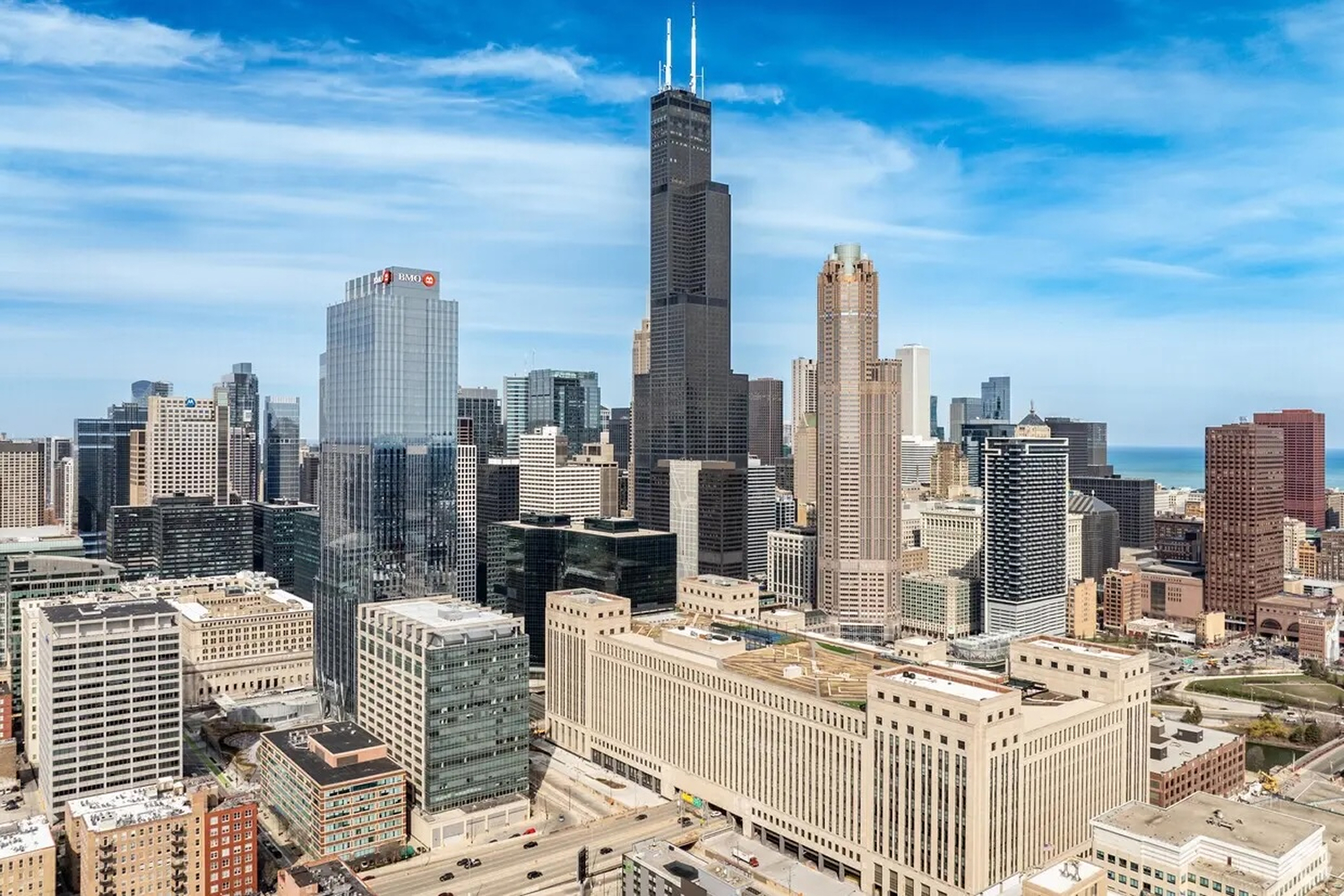

How Blackstone transformed America's second-tallest building from aging icon into Chicago's most ambitious urban experience destination
Vision
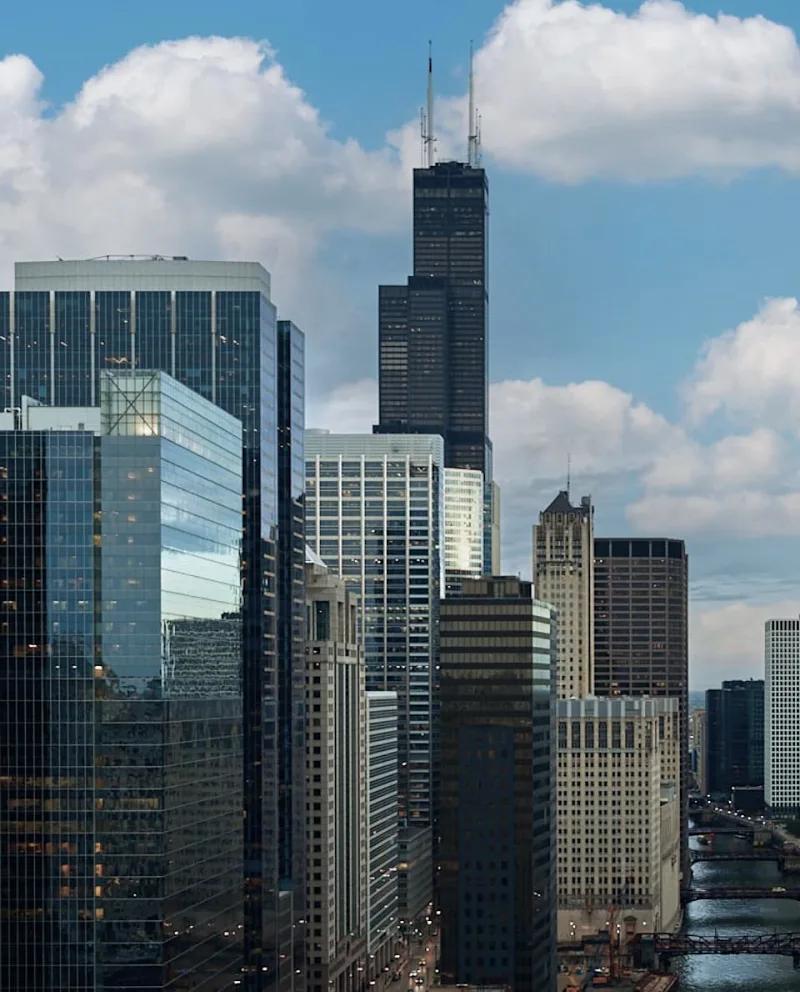
When Blackstone acquired Willis Tower for a Chicago-record $1.3 billion in 2015, they didn't just buy a building. They bought a thesis.
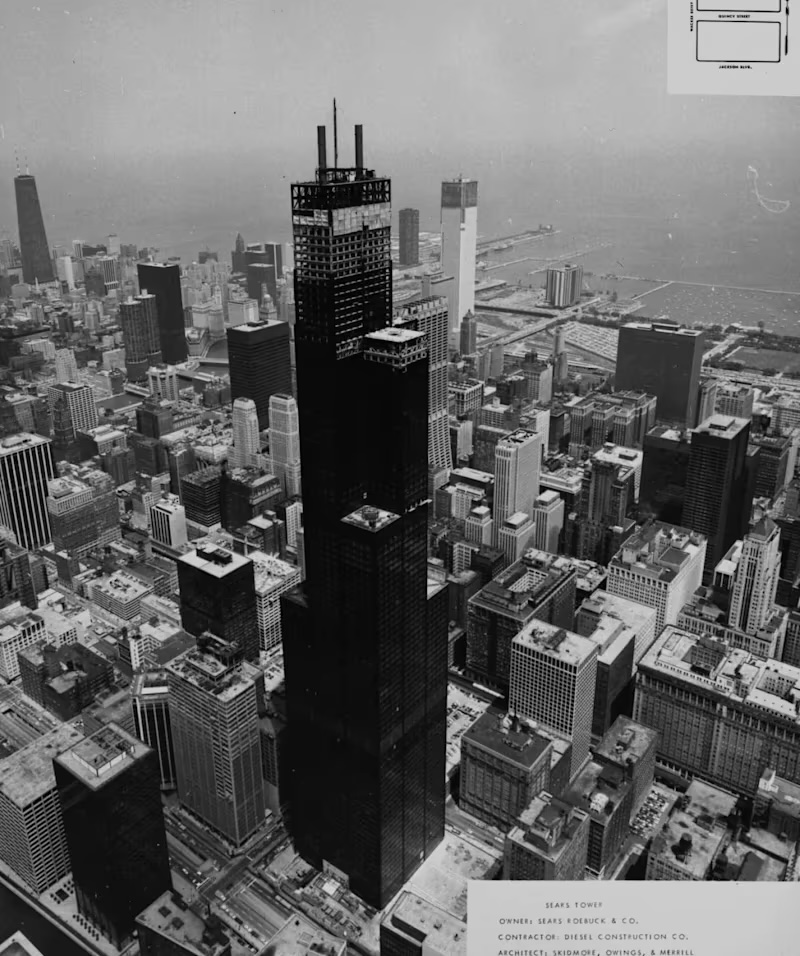
The 110-story icon, once the world's tallest structure, had become a symbol of a different era. Designed in the 1970s to create a buffer between workers and the surrounding neighborhood, Willis Tower's fortress-like base kept 15,000 daily occupants isolated from the city they worked in. Sears had long departed. The tower's identity was frozen in amber.
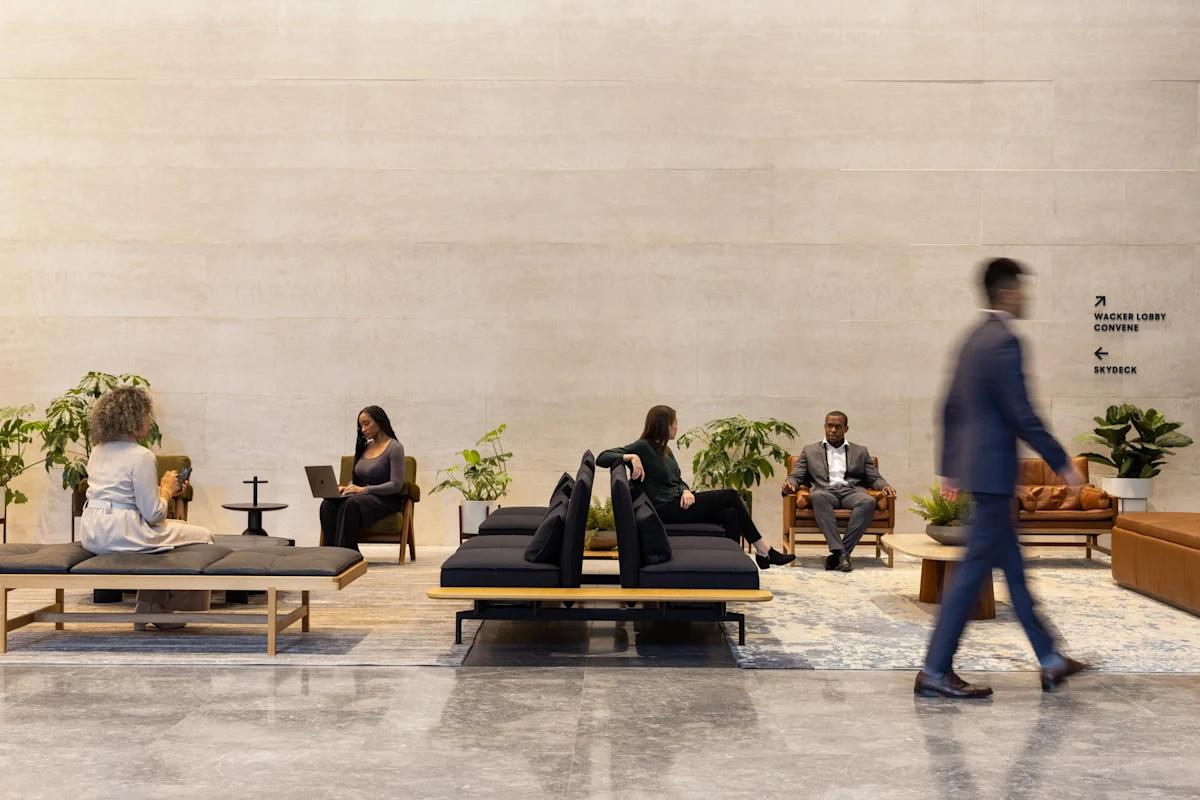
Blackstone, through its former workplace platform EQ Office, saw what others missed: the building's greatest liability was also its greatest opportunity. Those cavernous lower floors, designed as retail dead zones, could become Chicago's newest neighborhood. The question wasn't whether to renovate. It was whether to reimagine what a supertall tower could mean to the people inside it and the city around it.
"The goal for the Willis Tower transformation was to create an all-season, urban destination that brings the surrounding community together and celebrates this city within a city," said David Moore, then Senior Vice President and Portfolio Director at EQ Office, at the project's completion. The ambition was clear: turn a 1970s corporate monument into a 21st-century experience platform.
Market & Ideal Tenants
Chicago's downtown office market tells two different stories. The headline is brutal: vacancy rates have climbed to record highs above 27% in 2025, with over 2.3 million square feet of tenant departures in just two years. But drill into the data and a sharper picture emerges.
Class A buildings with updated amenities are running vacancy rates around 21%, while Class B properties languish above 32%. The gap isn't random. It's the market pricing experience.
Willis Tower's tenant roster reflects the flight to quality: United Airlines occupies over 730,000 square feet across 16 floors, making them one of the largest single tenants in downtown Chicago. Their 2019 decision to extend through 2033 and invest "hundreds of millions" in space renovations validated the transformation thesis before it was complete. Major law firms including Seyfarth Shaw and ArentFox Schiff, insurance giant Willis Towers Watson, and Morgan Stanley round out an occupancy profile that commands premium positioning.
These tenants share common needs: space that helps attract and retain talent, connectivity that enables hybrid work, and an environment that justifies the commute. They're not buying square footage. They're buying the ability to compete for the best people in a market where the office itself is the recruiting pitch.
Closing the Experience Gap
Here's how Blackstone transformed Willis Tower following the REX methodology:
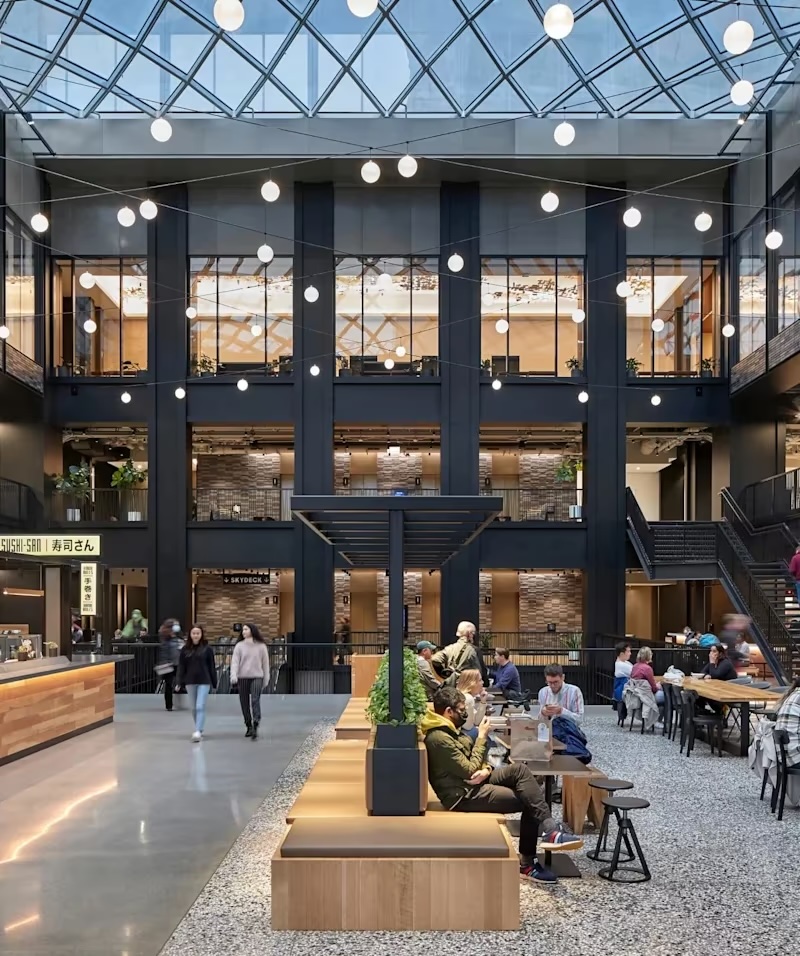
| Spaces & Products | Fortress-like base designed as buffer from city; minimal retail; dated lobby; isolated from street life; standard office floors | Catalog: 300,000 SF dining, retail, and entertainment destination; 30,000 SF outdoor terrace and garden; 150,000 SF tenant-exclusive amenities including Tower House Bar, TONE fitness center, Altitude Café, and The Metropolitan private club; reimagined Skydeck observatory |
| Services | Traditional property management; limited programming; basic building services; no hospitality orientation | Curated F&B including Tortazo by Rick Bayless, Shake Shack, Kindling (James Beard chef); Urbanspace food hall; Industrious flexible workspace; hospitality-driven programming; community events; wellness initiatives |
| Systems & Tech | Legacy building systems; no unified tenant engagement platform; limited digital infrastructure; standard access control | Tenant experience app with mobile access and building entry; amenity booking and discovery; real-time engagement analytics; Platinum WiredScore certification; LEED Platinum (largest US building to achieve) |
The Experience Payoff
The numbers tell a compelling story of transformation:
- Investment: $500+ million street-to-sky renovation, the largest restorative transformation in the building's history
- Anchor retention: United Airlines extended through 2033, committing to "hundreds of millions" in additional space investment
- Occupancy: Nearly 85% leased at renovation completion, significantly outperforming the downtown Chicago market average
- Sustainability: LEED Platinum certification, the largest building in the United States to achieve this standard
- Visitor experience: 1.7 million annual Skydeck visitors with completely reimagined observatory
- Recognition: Fast Company Innovation by Design Award honoree (2021)
Voices of the Experience
"We have reimagined and modernized this iconic tower to better serve the city, the Loop neighborhood, and the diverse set of companies and their employees that call it home. The role of the office and the way that people work has evolved over these past few years, and our focus on creating a human-centered workplace with unmatched activation and energy will ensure that Willis Tower continues to inspire our city and its workforce for decades to come."
– David Moore, then Senior Vice President and Portfolio Director, EQ Office
"Willis Tower provides a dynamic work environment for our employees. This is an important step as we continue to work together to build the world's leading airline."
– Brett Hart, Executive Vice President and General Counsel, United Airlines

Experience Lessons Learned
Transform liabilities into destinations. Willis Tower's isolated base, designed to separate workers from the city, became Catalog: a 300,000 SF neighborhood that connects building to community. The biggest design flaws often hide the biggest opportunities.
Mixed-use solves the hybrid challenge. When office alone can't justify commutes, retail + events + public spaces create reasons to gather beyond desk work.
Anchor tenants validate transformation. United's decision to extend through 2033 and invest hundreds of millions in their space sent a signal that reverberated through the Chicago market. When your largest tenant doubles down, prospects take notice.
Experience infrastructure compounds. LEED Platinum certification, tenant experience technology, Platinum WiredScore connectivity, and hospitality programming aren't separate initiatives. They're layers of an experience stack that creates compounding value.
Heritage is a feature.The Catalog name honors Sears' disruptive retail legacy. The 50th anniversary celebration connected past to future. Willis Tower proves that iconic assets gain value when transformation respects their story.
The REX Advantage
The Willis Tower transformation proves that experience-driven design wins in competitive markets. But imagine achieving similar results with:
- Playbook-driven efficiency
- Portfolio-level consistency
- Data-driven optimization
While Blackstone intuitively understood experience gaps at Willis Tower, REX provides the methodology and platform to close experience gaps systematically across entire portfolios. It turns pioneering one-off transformations into repeatable competitive advantage.
The question isn't whether experience matters. It's whether you can deliver it at portfolio scale before your competitors do.
Ready to Close Your Experience Gap?
Get the REX Playbook Templates
Includes the Ideal Tenant Profile Builder, Tenant Journey Map, and more.