
Why Service Levels Determine Whether Employees Come Back to the Office

The return-to-office debate has been framed as a power struggle. Employers mandate. Employees resist. Policies get softened. Utilization stays flat.
This framing misses the actual problem. The office isn't losing to employee stubbornness. It's losing to the home environment. And the home is winning on service.
What the Home Does Better
Leesman has surveyed hundreds of thousands of employees across the world's leading office portfolios. One finding cuts through everything else: the average home supports the average worker better than the average office.
The reason isn't that homes have better floor plates. It's that homes offer something offices chronically underdeliver: control. Employees at home control their lighting, temperature, noise levels, and break schedule. They make a coffee whenever they want. They take calls from a quiet room. They personalize their environment to match how they actually work.
The office asks them to give all of that up. And then wonders why attendance is low.
Service Quality Is the Real Battleground
The buildings winning the attendance war aren't just the newest or the tallest. They're the ones that have treated service quality as a strategic investment rather than an operating cost.
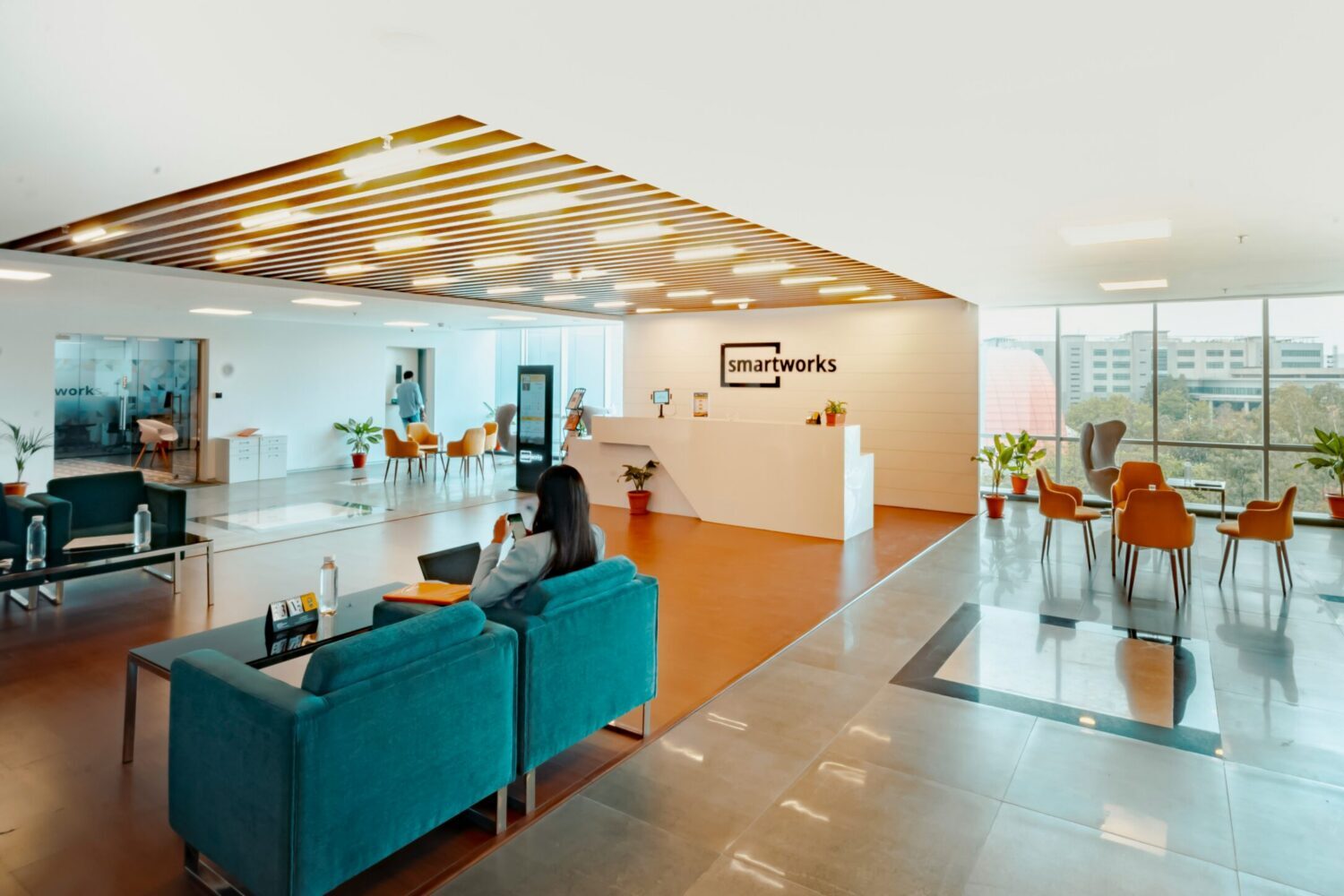
Consider what service-led buildings actually deliver. Hospitality-grade reception that makes employees feel welcomed, not processed. Food and beverage that goes beyond a vending machine — 76% of employees rate tea, coffee, and refreshment facilities as important, yet only 62% are satisfied, according to Leesman data. Consistent acoustic environments, quiet zones that actually function, responsive maintenance that resolves issues in hours rather than days.
These aren't luxuries. They're the baseline for an environment that competes with a well-set-up home office.
The Service Charge Question
Service charges are frequently the flashpoint in landlord-occupier negotiations. Tenants push back on costs. Landlords struggle to justify them. The conversation typically happens in isolation from the broader question of what those charges are actually supposed to deliver.
Here's the reframe. The service charge isn't a cost of occupancy. It's the funding mechanism for the environment that earns attendance. If employees aren't coming to the office, tenant companies aren't getting ROI from their real estate spend regardless of what the service charge is. The more important question is whether the services being delivered are good enough to make the in-office experience genuinely better than the alternative.
What This Means for Landlords
The service levels on offer inside a building are now a direct driver of occupier ROI. Tenants are being asked by their boards to justify real estate spend at a time when utilization is scrutinized. The landlords who can demonstrate that their buildings drive attendance through measurable service quality have a fundamentally different conversation than those who cannot.
This is where experience infrastructure pays for itself. Not as a line item to be negotiated down. As the mechanism that turns a building from a cost center into a business asset for the tenants inside it.
The office doesn't need to be home. But it needs to be better than staying home. That's a service delivery problem. And it's solvable.
Download the REX Platform Strategy Resource Library to explore the frameworks behind service design, tenant journey mapping, and experience-led portfolio operations → Download