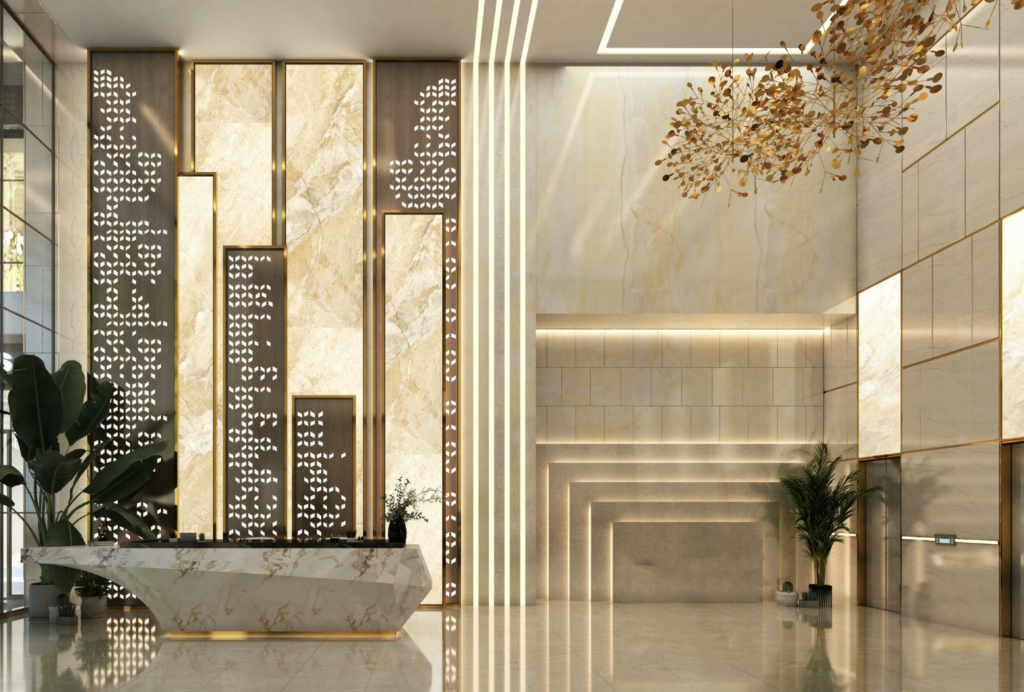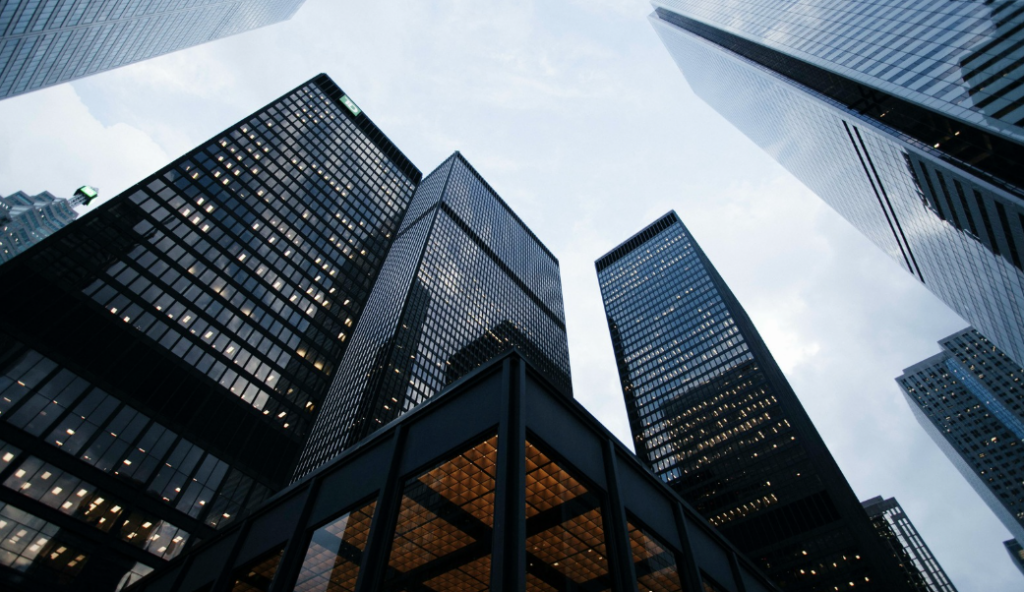

Google signed a full-building lease on Austin’s Sail Tower in 2019. All 804,000 square feet of it, 35 stories, brand new. Then nobody moved in. The tower sat essentially dark until late 2025, and for roughly the last three of those years Google was paying an estimated $53 million annually for the privilege.
This week, the sequel. Propmodo flagged an August 11 filing with the Texas licensing department: Google is spending $25 million to build out nearly 69,000 more square feet across multiple floors, with construction underway as of Friday and finishing next May. It’s even handing part of the tower to Google.org for community programming and events.
Meanwhile, in the same city, Meta and Indeed keep shrinking and pushing space onto the sublease market.
Same market. Same sector. Opposite bets.
WHAT’S ACTUALLY HAPPENING
The lazy read is that this is a return-to-office story. Google grew headcount in Austin, so it needs desks. Fine. But the interesting part is the six-year gap between the signature and the people.
For six years, that lease looked identical on paper. The landlord got paid either way. The submarket stats counted the tower as leased the entire time. By every traditional CRE metric, the Sail Tower was a success story while it sat empty.
Leesman’s sector research says the tech split is real, and it isn’t a retreat. Only 38% of technology organizations cut real estate over the prior 18 months, versus 68% of organizations overall. And 29% of tech firms plan to expand, more than double the 13% average. All while 90% of tech leaders expect employees in three days or fewer. Tech isn’t abandoning the office. It’s repricing what the office is for: fewer mandates, more reasons.
WHY IT MATTERS
Here’s the question Google’s six dark years should put in front of every asset manager: how much of your portfolio is leased but not alive?
You can’t answer that with a rent roll. You answer it with behavior. Across our portfolio, from March through July, resource bookings barely moved, up single digits. Food and beverage orders nearly doubled over the same stretch, and order revenue more than doubled with them. People aren’t reserving more rooms than they did in the spring. They’re eating, spending, and staying. Discretionary spend inside the building is the most honest attendance record there is. Nobody orders lunch to a desk they’re not sitting at.
The divergence is the sharper signal. One property accounted for more than half of all food orders across our entire portfolio last month. Not half of its submarket. Half of everything. Dozens of buildings share the leftovers. If you charted leased square feet across those buildings, they’d look similar. Chart lunch, and one of them is a different species.
That’s the Sail Tower lesson in portfolio form. Leased and alive are two different products, and only one of them renews.
WHAT TO DO
Underwrite behavior, not just paper. If a tenant’s entries, bookings, and orders have been flat for eighteen months before expiry, the renewal risk is already real. You’re just the last to know.
Program for the reasons people show up voluntarily. Google put community programming into its tower before it finished building the desks. That ordering isn’t an accident. The reasons come first. The occupancy follows.
And if you own the building next to the empty one: the leased-but-dark tower across the street isn’t competition. Its tenant is a future consolidation or a future casualty, and either way the people end up somewhere. Be the somewhere.
Google paid roughly $53 million a year to learn that a signed lease and a living building are two different things. This week it paid $25 million more to fix it.
A lease tells you who’s paying. Behavior tells you who showed up.