
The Office Isn’t Back. The Meeting Room Is.
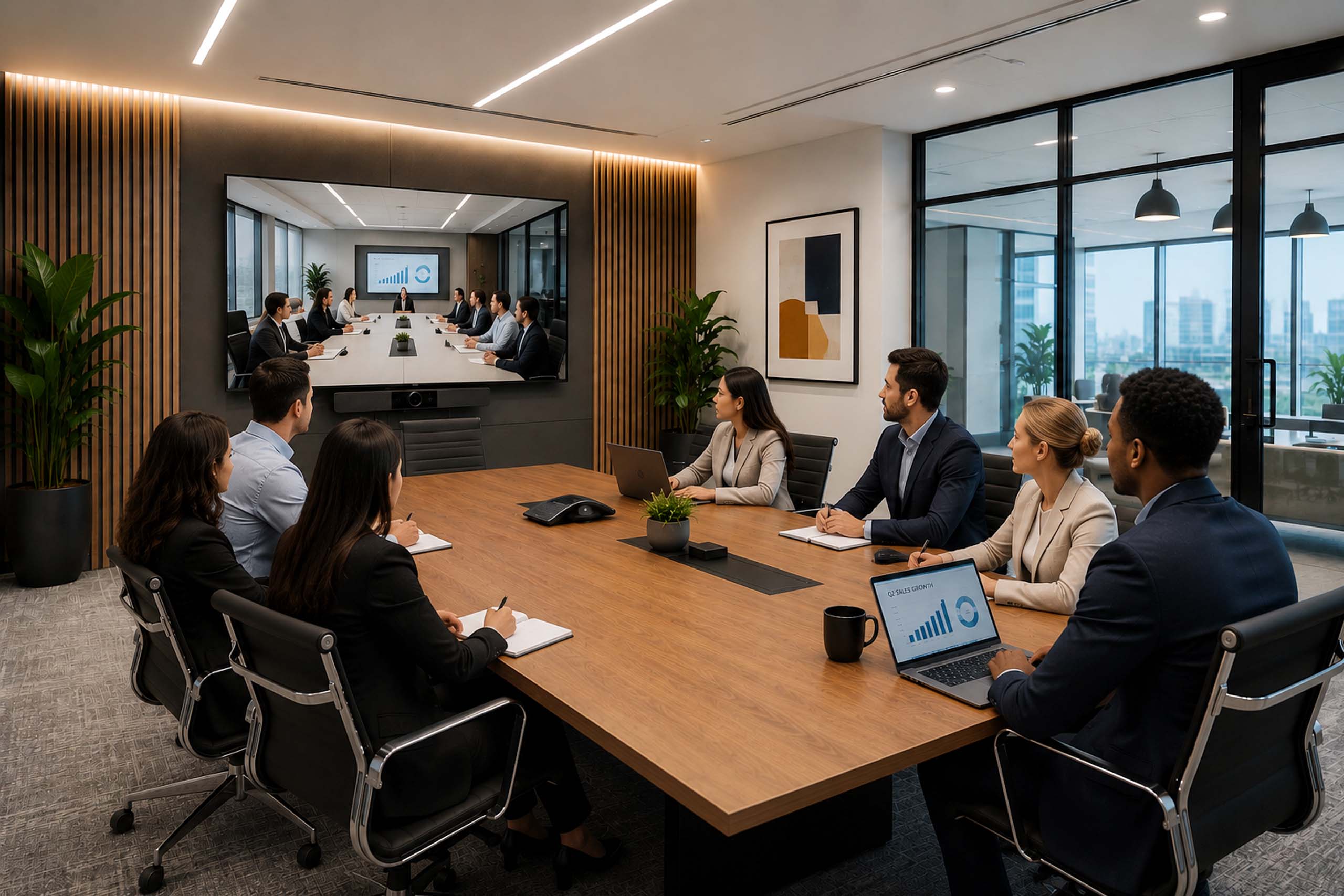

New research from OfficeSpace Software covers 954 organizations, 3.9 million in-office employees, and 116 million square feet of office. In 2025, desk bookings rose 8% year over year to 20 million. Room bookings rose 20% to 12.8 million.
That gap matters. Room bookings are growing at more than twice the pace of desk bookings. People are going to the office to meet someone, not to find a quiet seat.
That's a different story than the one most occupancy dashboards are telling.
What's Happening
CBRE's Q1 2026 report puts the macro in perspective. Net absorption hit 6.9 million square feet. That's the highest first-quarter total since 2020, and the eighth consecutive quarter of positive demand. Overall vacancy fell 10 basis points to 18.6%. Prime vacancy fell 80 basis points to 12.7%. In Midtown Manhattan, prime vacancy dropped to 2.9%. Annual leasing is on track to surpass 2019 levels for the first time since before the pandemic.
The market is back. That part is settled.
The part that's still open is the shape of the recovery. And the behavioral data points to something specific: the office is recovering as a meeting destination, not as a default workspace.
Look at our own portfolio over the last 30 days compared to the prior 30. Outdoor space bookings up more than 100%. Event space up about two-thirds. Kitchens up roughly double. Lounges up over 40%. Large conference rooms up about 30%.
On the other side: recreation game rooms down more than 20%. Quiet rooms roughly flat. Sleep pods flat.
The rooms people are booking are the rooms that require other people. The rooms you can replicate at home are flat or declining.
The office isn't recovering as a place to comply. It's recovering as a place to convene. That's a meaningful distinction.
Why It Matters
Most asset health dashboards measure occupancy: badge swipes, headcount, how full the floors look. The problem is that two buildings can have identical occupancy numbers and be in completely different positions.
A building where 40% of visitors book a conference room, a lounge, or an outdoor space is a collaboration hub. A building where 40% of visitors find an open desk and put their head down is something closer to a remote-work annex with free parking. Both print the same occupancy number.
Leesman has been measuring this from the experience side for over a decade, across more than 1 million workplace responses. The pattern is consistent: the activities where the office beats home are the collaborative and social ones. Informal meetings. Learning from others. Events. The activities where home wins are individual focus work and private calls.
The OfficeSpace booking data confirms this in revealed preference. People are voting with their room reservations. They go to the office to be in the room together. The rest, they do at home.
What to Do
Add room booking rate to your asset health metrics. Not just total visitors. Room bookings as a share of total office visits tells you whether the building is a collaboration destination or a default seat provider. That ratio predicts renewal intent better than square footage. Tenants who book rooms together need the building. Tenants who just badge in and find a desk are the ones who'll sign with a broker next cycle.
Pull the category mix in your booking data, not just the volume. Outdoor up, lounges up, event space up is a different signal than quiet rooms and sleep pods up. One tells you the building is becoming a social anchor. The other tells you people are trying to replicate the home experience inside your walls. Those require completely different capital responses.
Start measuring tenant engagement, not just tenant occupancy. The behavioral signal in booking data predicts renewal conversations more accurately than any badge-swipe count. "Tenant booked a client event in month eight of their lease" tells you something a utilization report never will.
CBRE says the market is back. The behavioral data says it's back for a specific reason. Our own portfolio confirms it.
The office is recovering because it's becoming a place people choose to book. Buildings that give them something worth booking keep the tenants. Buildings that don't are leaving the math to the lease expiration.
Desk bookings up 8%. Room bookings up 20%. The gap is the strategy.