
Bottom-Decile Office Isn’t Coming Back. Conversion Is The Honest Answer. Cleveland’s Been Showing The Math For A Decade.
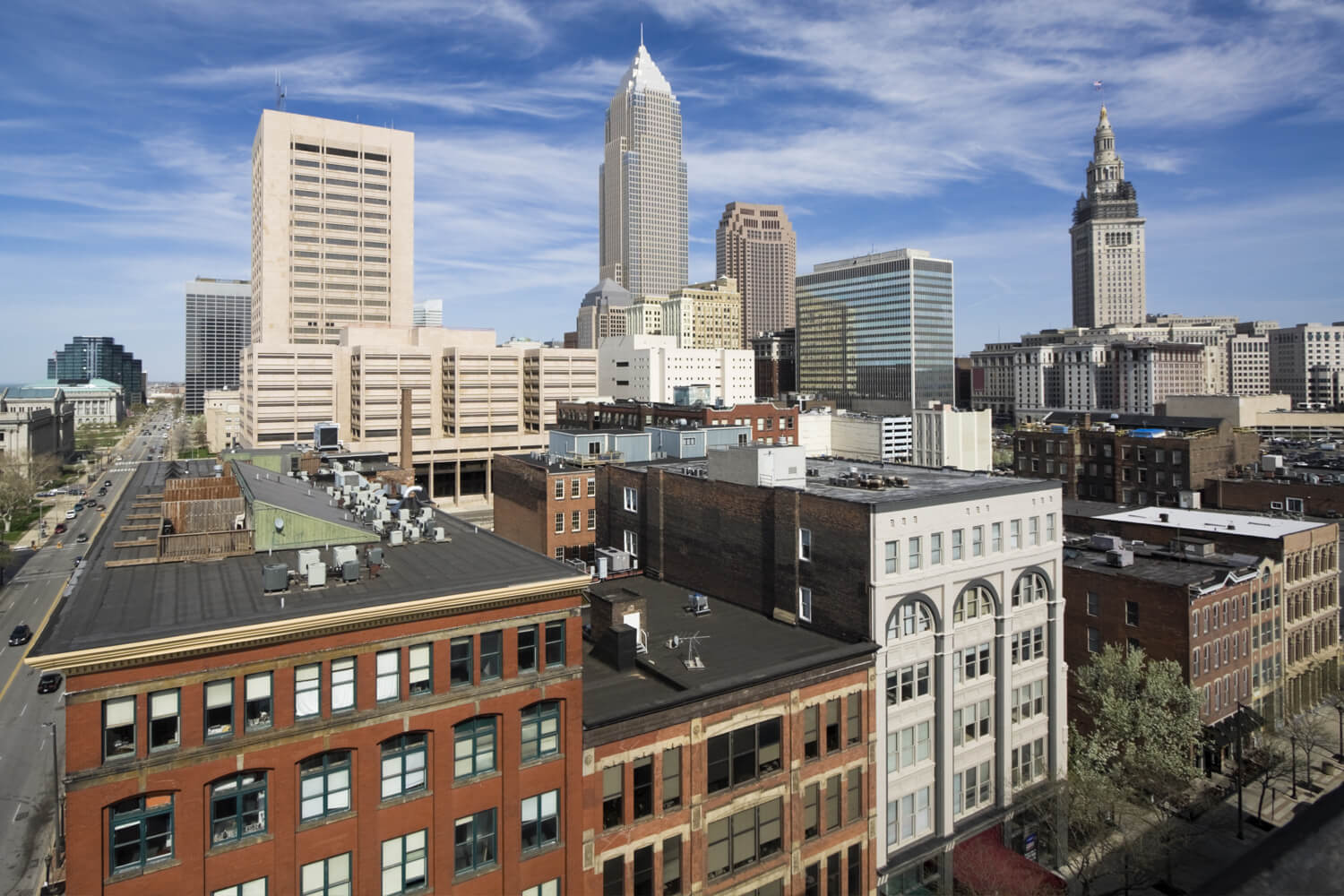

6.6 million square feet of office space converted. Almost 4,000 housing units delivered. Another 1,500 in the pipeline. Roughly 30 landmark buildings repurposed. Downtown population up 12% to 21,000 residents since 2019.
While San Francisco, Chicago, and Washington keep arguing about whether office-to-residential conversions can work at scale, Cleveland has been doing it for over a decade. Propmodo made it official this week. It's no longer an experiment. It's the blueprint.
What's happening
The conversion playbook isn't new. What's new is that the math finally pencils in more cities than it doesn't. The national pipeline just pushed past 80,000 units. New York is debating tax credits for conversions outside NYC. RXR turned a pandemic casualty into its own conversion blueprint. The conversation has moved from "can we" to "how fast."
Why now? Because the divergence between buildings that work and buildings that don't is too obvious to ignore.
We see it inside our own portfolio in real time. Comparing March to April 2026 mobile access events, one trophy office tower in Midtown Manhattan nearly tripled month over month. In the same 30 days, a Class A tower on a major Los Angeles corridor lost more than 80% of its activity.
Same calendar. Same macro. Two completely different futures for buildings less than a flight apart.
The portfolio aggregate looks healthy. Door unlocks across the platform are up more than 25% over the last three months. But that average hides a violent split underneath. Some buildings are exploding. Others are flatlining. A few are basically off.
Why it matters
The thesis I've been hammering on for over a year is that 30% of US office buildings are functionally obsolete. That's $1.1 trillion of vacant or aging stock. Until last year, that was a slide deck. Now it's a live transaction story.
CRE leaders can keep treating Class B as a cyclical issue and wait for tenants to come back. Or they can read what Cleveland's been showing for ten years and what RXR, Daniel English's group in Chicago, and the New York legislature are now codifying. The buildings on the wrong side of the divergence aren't coming back. They're getting written off, repurposed, or torn down. The question is who eats the cost.
Leesman has been measuring this at the experience layer for years across more than 1M workplace responses. The buildings on the right side of the divergence aren't winning because they have more amenities. They're winning because their layout, programming, and operational rhythm match how tenants actually work in 2026. The losers can't get there with a renovation. The plumbing, the floor plates, the elevator counts, none of it was designed for what the building needs to be now.
Conversion is the honest answer.
What to do
Three moves.
First, decide which side of the line each asset is on. Not at the portfolio level. Building by building. The portfolio average lies. In our own data, March-to-April mobile access varies from triple-digit growth to triple-digit declines across buildings in the same city. The aggregate hides the asset-level truth.
Second, run the conversion math now, not after the next earnings call. The 80,000-unit national pipeline says someone is going to do it on every block where it pencils. The question isn't whether your asset gets converted. It's whether you get to lead the conversion or eat the loss.
Third, stop talking about flight to quality as if it's an amenity arms race. The buildings on the wrong side of the divergence aren't going to catch up by adding a wellness room and a coffee bar. They need a new use case or a new owner.
Cleveland's downtown didn't grow 12% by waiting for the old buildings to bounce back. It grew because somebody got honest, ran the math, and turned them into something people actually want.
Every city still debating this is falling behind on housing AND on the only honest answer for the worst third of their office stock.
The blueprint is already published. Read it.